قضية العدد الرابع

قضية العدد:
تاريخ المسجد الأقصى
- قصيدة بعنوان إلى غزّة
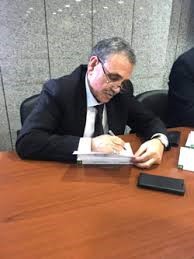 بقلم: الأستاذ الدكتور محمد توفيق ابو علي، امين عام اتحاد الكتاب اللبنانيين وعميد كلية الآداب في الجامعة اللبنانية.
يا حزنها المدفون فيّ تعالَ خذ فرحي الغمامْ
واهطلْ على حدقاتنا
واشربْ ثُمالتنا صبابةَ واجدٍ
أقرئْ أحبّتنا الهُيامْ
للعابرين إلى سنا أفراحهمْ
قلْ يا غمامْ
خصْبًا سيولَد جرحُنا
سنعيد تكوين المَدى
ويعود للأرض المباركة السلامْ
يا حزنها المدفون فيّ تعال خذْ فرحي الصهيلْ
وتعال أسرجْ هذه الأفراس نحو دموعها
طوبى لغزّةَ حين يسكنها الهوى
طوبى لغزّة حين تذكر أمّها:
أمّي فلسطين الشريدة في الفيافي، أمّيَ الثّدْي الذي رضع الهواجر في متاهات النخيلْ
ثمّ استظلّتْ جرحها
شجرًا تساوره اللّظى
والماء في الصحراء سمٌّ ناقعٌ
فَتَلَتْ من “الإسراء” ما يشفي الغليلْ
أمّي فلسطين التي ستعيد للأعراب مالَ زكاتهمْ
وتقولُ من ألق الركام:” أنا _على فتوى دمائي_ لست من فقراء أبناء السبيلْ“
أمّي ستوقظ سيْفَنا
من غفوة الصّدأ الذّليلْ
أمّي سترضع ما تبقّى مِن صليلْ
- المسجد الأقصى: تاريخ ورمز ومقاومة
بقلم الأستاذ الدكتور وليد الشوملي ، محاضر في جامعة بيت لحم – فلسطين ، عضو المركز الاستشاري العربي الموحد التابع للهيئة العليا للعلماء والمفكرين العربwalidshomaly@yahoo.com
لمحة تاريخية:
تبلغ المساحة الكلية لباحات المسجد الأقصى قرابة 144 دونم وتشمل قبة الصخرة والمسجد القبلي والمصلّى المرواني ومعالم كثيرة أخرى قد يبلغ عددها 200 معلم. وتقع باحات المسجد الأقصى فوق هضبة صغيرة تدعى “هضبة موريا”، حيث تحتل قبة الصخرة أعلى نقطة في المكان، لا بل تقع في قلبه. ويعد المسجد الأقصى من أبرز المعالم الإسلامية لا في فلسطين فحسب، بل في العالم أسره.
لقد شرع الخليفة الأموي الخامس عبد الملك بن مروان ببناء مسجد قبة الصخرة عام 685 ميلادي (66 هجري)، وانتهى العمل فيه عام 691 ميلادي (72 هجري). ومسجد قبة الصخرة عبارة عن بناء مثمن الأضلاع له أربعة أبواب وفي داخله تثمينه أخرى تقوم على أعمدة اسطوانية، في داخلها دائرة تتوسطها “الصخرة المشرفة” التي يعتقد المسلمون أن النبي محمد عرّج منها إلى السماء في رحلة الإسراء والمعراج، كما تعلو المسجد قبة ذهبية أعطته رونقاً وجمالاً قل نظره.
وبالإضافة إلى مكانتها الدينية، تعتبر قبة الصخرة إحدى أهم المعالم الإسلامية في العالم، كونها تمثل إحدى اقدم النماذج في العمارة الإسلامية، كما أن روعتها الفنية تكمن في زخارفها المتنوعة التي تعكس بصمات الحضارة العربية الإسلامية على مر العصور.
يختلط الأمر على الكثيرين في عملية التسمية للمسجد الأقصى، إذ أنه كما أسلفنا، فإن تلك التسمية تحتوي على مسجدي الصخرة والمسجد القبلي بالإضافة إلى المصلى المرواني. أما عندما يقول أحدهم أنه ذاهب للصلاة في المسجد الأقصى، فإنه يعني بذلك المسجد القبلي الذي تعلوه القبة الرصاصية، وليس مسجد قبة الصخرة ذو القبة الذهبية. ففي واقع الأمر، شرع ببنائه الخليفة عبد الملك بن مروان في عام 685 ميلادي (65 هجري) جنباً إلى جنب مع مسجد قبة الصخرة، وتواصلت أعمال البناء فيه في عهد ابنه الوليد بن عبد الملك حتى انتهت عام 715 ميلادي (96 هجري).
وقد تعرض المسجد الأقصى لعدة زلازل أدت إلى تدميره وبدرجات متفاوتة. ففي عام 746 ميلادي أي قبل انتهاء الحقبة الأموية بأربع سنوات تعرض الأقصى إلى أول زلزال تبعه زلزال آخر في بداية الحقبة العباسية أي عام 774 ميلادي، ثم تعرض لأضرار بليغة إثر زلزال آخر ضربه عام 1033 ميلادي ،حيث تم تجديده في عهد الخليفة الفاطمي الظاهر.
وقع المسجد الأقصى كغيره من المقدسات الإسلامية والمسيحية في فلسطين تحت حكم الفرنجة في العام 1099 ميلادي حيث حولوه إلى مقر لفرسان الهيكل، ثم استعاده صلاح الدين الأيوبي من أيدي الفرنجة بعد انتصاره عليهم في معركة حطين عام 1187 ميلادي .
وبعد الاحتلال الإسرائيلي للضفة الغربية وقطاع غزة عام 1967، تعرض المسجد الأقصى في صبيحة يوم الخميس الموافق 22 اغسطس/آب 1969 لحريق على يد يهودي استرالي متطرف اسمه مايكل روهان، حيث أدى إلى انهيار سقف القسم الشرقي الكامل من الجامع القبلي، بالإضافة إلى احتراق منبر صلاح الدين، وقد تم إعادة ترميم المسجد الأقصى ومنبر صلاح الدين على نفقة الحكومة الأردنية التي ما زالت حتى الآن هي الوصي الوحيد على المقدسات الإسلامية والمسيحية في المدينة المقدسة. فقد بايع الفلسطينيون وأهل القدس قبل 95 عاماً، وبالتحديد في الحادي عشر من شهر مارس/آذار سنة 1924 الشريف حسين بن علي الهاشمي بالوصاية على المقدسات الإسلامية والمسيحية في القدس. وقد تبرع الأمير عبد الله بن الحسين آنذاك بمبلغ 38 ألف ليرة ذهبية من ماله الخاص، بالإضافة إلى تبرعات جاءت من العراق والهند ودول إسلامية أخرى .
وقد تم في عهد الملك الحسين بن طلال، بمرسوم ملكي، تشكيل لجنة لإعمار الأماكن المقدسة في القدس، عُرفت بقانون “إعمار المسجد الأقصى المبارك وقبة الصخرة المشرفة لسنة 1954”. ثم باشرت الحكومة الأردنية بعمليات الإعمار في العام 1958.
ولسنا هنا بصدد الولوج في تفاصيل تاريخ بناء المسجد الأقصى أو هندسته المعمارية بل هدفنا في هذا البحث هو إبراز أهمية المسجد الأقصى كرمز للمقاومة الفلسطينية ضد الاحتلال الإسرائيلي الشرس وارتباطه بالهوية الفلسطينية في ظل المحاولات الإسرائيلية لتهويد المشهد الطبيعي والثقافي لمدينة القدس.
قد يبدو للوهلة الأولى أن الدفاع عن الأقصى يتسم بطابع ديني محض، ولكن في الحقيقة فإنه يمثل رمزاً وطنياً لكل فئات الشعب الفلسطيني بمسلميه ومسيحييه، وما أن يستشعر الفلسطيني بأي خطر قادم، يهب المسيحيون والمسلمون هبة رجل واحد في الدفاع عنه.
أشكال المقاومة وتجلياتها:
يرى ميشيل فوكو أن المقاومة توجد حينما توجد السلطة . فالسلطة في معناها الفلسفي وكما تصفها ميرفت ياقوت هي: “سمة كلية الوجود للتفاعل الإنساني. فهي توجد في كل مكان ومتاحة لكل الأشخاص، وقد تنشأ عن السعي وراء أي هدف” . فالمقاومة إذن مشروطة بوجود سلطة ما. والسلطة وفق فوكو تمتلك قوة وهيمنة وتخوض صراعات خفية وظاهرة، وبالتالي فإن المقاومة هي رد فعل طبيعي على هيمنة السلطة.
أما الحالة الفلسطينية، فتنفرد بأن السلطة المهيمنة والمسيطرة هي سلطة غريبة ومحتلة للأرض والبشر والثروات الطبيعية والمياه والأماكن المقدسة وغيرها. وبالتالي فإنه من الطبيعي أن يكون شكل وطبيعة وهدف المقاومة الفلسطينية هو دحر الاحتلال وبسط السيادة الوطنية الفلسطينية أقلها على الأراضي الفلسطينية التي احتلتها إسرائيل عام 1967 والتي تتمثل بالضفة الغربية، والشطر الشرقي من مدينة القدس، وقطاع غزة.
وفي الآونة الأخيرة بدأ الفلسطينيين بإدراك أهمية المقاومة الشعبية وتأثيرها الإقليمي والدولي. يقول مازن قمصية في المقاومة الشعبية: “إن انخراط المواطنين في القيام بدور نشط في المقاومة الشعبية يبدأ بإقناعهم بأنه يمكن إحداث تغيير في الواقع” . أما الباحثان ليندا طبر وعلاء العزة يصفان المقاومة الشعبية أنها: “الممارسة الجماهيرية الفعلية لمواجهة السياسات الاستعمارية والمشروع الاستعماري ككل ضمن رؤية وطنية شمولية واضحة الأهداف من خلال صيرورة ممنهجة لتفكيك المشروع الاستعماري، تتحول إلى ممارسة نضالية يومية متعددة التكتيكات، دون الدخول في ثنائية العمل المسلح والعمل الجماهيري” .
ونستطيع القول أن المعركة ضد الاحتلال الإسرائيلي هي معركة ضد استعمار استيطاني وانها ليست حرباً دينية على المقدسات والأماكن المقدسة، بل أن الأماكن المقدسة المسيحية والإسلامية تشكل رموزاً وطنية وثقافية ودينية وكذلك إرثاً حضارياً وجزءاً من الهوية الفلسطينية. فقد وصف المفكر عزمي بشارة انتفاضة الأقصى عام 2000 بقوله: “ليست معركة التحرر الوطني الفلسطيني حرباً دينية، ولا انتفاضة القدس والأقصى حرباً عقيدية على الرغم من بعدها الديني ورموزها الدينية … تكاد لا توجد حرب تحررية دون بعد ديني أو رمزي يضاف إلى دوافع المجاهدين المقاتلين وإلى رموز الوطن والوطنية … معركة الفلسطينيين هي معركة مستعمَرٍ بمستعمِر … ليست انتفاضة الأقصى انتفاضة دينية، بل انتفاضة وطنية شاملة اتخذت من الحرم القدسي الشريف رمزاً لها. والأقصى مقدس للمتدينين وغير المتدينين كرمز وطني فلسطيني، والخلاف مع إسرائيل ليس على قدسيته للمسلمين، بل على احتلاله من قبل إسرائيل” .
سياسات الاستعمار الإسرائيلي إزاء القدس والمسجد الأقصى:
يؤكد نزار أيوب أن عملية التطهير العرقي قد بدأت على أرض الواقع في القدس منذ احتلال القدس الغربية والقرى المتاخمة لها عام 1948. وبعد عام 1967 وبهدف اتباع سياسات التطهير العرقي تخطط إسرائيل لخلق واقع جديد في القدس الشرقية وبأغلبية يهودية تبلغ حوالي 70% مقابل أقلية عربية فلسطينية حوالي 30%. وتشمل تلك السياسات الاستيلاء على الأراضي تحت حجة استخدامها للمصلحة العامة وهدم المنازل بحجة عدم حصول أصحابها على تراخيص بناء مسبقاً (علماً أنّ الحصول على تصريح للبناء من بلدية القدس يستغرق سنوات طويلة ويكلف أموالاً طائلة)، بالإضافة إلى التلاعب بسندات الملكية، وعدم منح حق الإقامة في القدس لزوجات أو أزواج المقدسيين أو المقدسيات (والذي يقع تحت بند ما يدعى بـ “لم شمل العائلات”)، وكذلك إلغاء حق الإقامة في القدس تحت ذرائع متعددة، وعدم منح تصاريح لأبناء الضفة الغربية بدخول القدس .
أما بالنسبة للمخططات الإسرائيلية بشأن تهويد القدس فهي ترتكز على مسارين: المسار الأول يتمثل في طمس آثار معالم القدس العربية والهجوم على الأماكن المقدسة المسيحية والإسلامية في المدينة بشتى الوسائل. فقد قامت إسرائيل على سبيل المثال قبل فترة من الزمن بمحاولة فرض ضريبة الأملاك على الكنائس المسيحية في حين أنه لم يحدث منذ زمن الاحتلال العثماني للمدينة أن تم فرض تلك الضريبة على العقارات التابعة للأوقاف الدينية. أما بخصوص الهجمة الشرسة على المسجد الأقصى، فيشهد العالم أجمع الهجمات المتكررة للمستوطنين واقتحامهم لباحاته ومحاولة الاعتداء عليه من قبلهم الذي يقابل دائماً بالتصدي لهم من قبل الشباب الفلسطينيين الأبطال والمرابطين هناك والذين هم على استعداد بالتضحية بالغالي والنفيس في الدفاع عن المسجد الأقصى وقبة الصخرة.
فإسرائيل تحاول دائماً أن تصعد من اقتحاماتها المتكررة للمسجد واستهداف الموظفين والحراس وسدنة المسجد الأقصى، كما أنها تحاول تغيير الوضع القائم لكي يتمكن المستوطنون اليهود من الصلاة في المسجد الأقصى. كما تقوم السلطات الإسرائيلية بعرقلة عمل دائرة الأوقاف الإسلامية في القدس التابعة لوزارة الأوقاف الأردنية وتعطيل مشاريع الصيانة والترميم لمصلى باب الرحمة وكذلك باقي المصليات والجدار الغربي الجنوبي الذي سقطت منه حجارة قبل مدة من الزمن. وفي الآونة الأخيرة اقتحم حوالي 150 متطرفاً يهودياً المسجد الأقصى تحت حماية الشرطة والقوات الخاصة الإسرائيلية. ومن اللافت للنظر، أن هناك عدداً لا بأس به من السياح الأجانب المتصهينين والداعمين للمشاريع الإسرائيلية الاستيطانية يقومون أيضاً باقتحام المسجد الأقصى. فقد اقتحم المسجد الأقصى في يوم واحد قبل مدة قصيرة من الزمن 5777 سائحاً أجنبياً، ويقوم هؤلاء الأجانب باقتحام المسجد بلباس فاضح وحركات استفزازية لا تليق بقدسية المكان. كما ذكرت دائرة الأوقاف الإسلامية بالقدس أنه تم مؤخراً اقتحام المسجد الأقصى من قبل 63 مستوطناً و60 طالباً من الجامعات والمعاهد اليهودية على شكل مجموعات متتالية، وقاموا بجولات استفزازية في باحاته، وحضروا جلسات تعليمية للشرح عن “الهيكل” المزعوم.
كما تقوم بين الحين والآخر مجموعات من المستوطنين وأشخاص ينتمون إلى ما يدعون “بضيوف الشرطة الإسرائيلية” وأفراد المخابرات الإسرائيلية باقتحام الأقصى والتجوال في أروقته وممارسة الشعائر والطقوس التلمودية. كما تقوم شرطة الاحتلال بفرض قيود على دخول المصلين للمسجد الأقصى قبل وأثناء اقتحام المستوطنين للمسجد، وتقوم باحتجاز هويات بعضهم عند البوابات، وتفتيش حقائبهم، وكذلك تصوير المرابطين والمرابطات وحراس المسجد الذين يوثقون عادة تلك الانتهاكات.
كما لفتت دائرة الأوقاف الإسلامية إلى أن هناك استهدافاً إسرائيلياً لمنطقة باب الرحمة والمنطقة الشرقية، حيث تشكل تلك المنطقة العنصر الرئيسي ورأس الحربة في تقسيم المكان كي يصبح للمستوطنين الإسرائيليين موطئ قدم ثابت ودائم لإقامة صلواتهم التلمودية بشكل جماعي وعلني في ظل حماية قوات الاحتلال. وما زالت قوات الاحتلال تعرقل عمل لجنة إعمار المسجد الأقصى من ترميم الممر المبلط جنوب باب الرحمة، وفي حال بقي البلاط مقتلعاً في فصل الشتاء فقد تؤثر مياه الأمطار المتراكمة على السور الاستنادي المحيط بباب الرحمة.
أما بخصوص التنقيبات الأثرية فإن الحفريات الكبيرة التي تقوم بها سلطات الاحتلال تشكل خطراً على مباني المسجد الأقصى خاصة في حفر الأنفاق من أسفله تحت ذريعة البحث عن آثار هيكل سليمان المزعوم. والجدير بالذكر أن شرعت إسرائيل خاصة منذ عام 1996 بمشروع أطلقت عليه مشروع “الحوض المقدس” التهويدي الذي يبدأ بحيّ الشيخ جراح شمالاً مروراً بالبلدة القديمة ووصولاً إلى بلدة سلوان التي يدّعون أن مدينة داود كانت قد أقيمت عليها وانتهاء بسفح جبل المكبر بهدف إضفاء الصفة اليهودية على تلك البقعة الجغرافية. وبالتالي فإن هذا المشروع سيفضي إلى مسح آثار معالم المدينة العربية والإسلامية وخنق البلدة القديمة بالمسارات والأبنية ذات الطابع اليهودي لطمس هوية المدينة وأماكنها المقدسة وأهمها المسجد الأقصى. كما يهدف مشروع الحوض المقدس أيضاً إلى جعل البلدة القديمة في القدس مشابهة في تفاصيلها للوصف التوراتي المزعوم لأورشليم القديمة وفق المعتقدات اليهودية، علماً أن الأبنية المقترحة ذات الطابع اليهودي ستقام على أنقاض آثار يبوسية وإغريقية ورومانية وبيزنطية وعربية، حيث ستبلغ مساحة ذلك الحوض حوالي 15 ألف متر مربع ويحتوي على مبان تحتوي متحفاً تلمودياً يحتوي على آثار مسروقة من الحفريات المحيطة بالأقصى وذلك لترويج الرواية اليهودية. كما تتبع إسرائيل سياسة ممنهجة في تغيير أسماء الأماكن في المدينة لإضفاء الصبغة التوراتية التلمودية عليها، ناهيك عن محاولة كتابة أسماء الأماكن والشوارع بلغة عربية ركيكة ومشوهة لأجل تشويه التركيب اللغوي لدى الأطفال الفلسطينيين منذ صغرهم منطلقين من وعيهم وإدراكهم لأهمية اللغة لأي شعب أو أمة على أنها أكبر حاضنة ثقافية للهوية. أضف إلى ذلك، تحاول إسرائيل وضمن سياسة ممنهجة نشر المخدرات بكثافة في القدس لإفساد الشباب المقدسي.
أما المسار الثاني من تلك المخططات الإسرائيلية إزاء القدس على وجه التحديد فإنه يتمثل في طمس الهوية والثقافة الوطنية عن طريق تهويد التعليم وفرض المناهج الإسرائيلية في المدارس العربية في المدينة في محاولة لتشويه التاريخ الفلسطيني بشكل عام وتاريخ المدينة المقدسة على وجه الخصوص، وفرض الرواية اليهودية على الطلاب العرب. إلاّ أن الباحث أحمد عز الدين أسعد يرفض مصطلح التهويد ويفضل استخدام مصطلح صهينة أو عبرنة أو أسرلة القدس وهويتها ومعالمها لما تضفيه كلمة تهويد طابعاً دينياً للصراع وهو ما تريد إسرائيل جر الفلسطينيين إليه وتحويله من صراع قومي وجودي إلى صراع ديني .
فمقاومة الشعب الفلسطيني في القدس ضد جميع أنماط التنكيل الإسرائيلي تحمل في طياتها أنواعاً متعددة من المعاناة. فالمقدسيون يعيشون، خاصة في البلدة القديمة، في بيوت صغيرة ومكتظة أشبه بالزنازين، كما أن المقدسيين يقاومون بأجسادهم إجراءات مصادرة وهدم البيوت، وكذلك يتصدون بكل قواهم لمحاولات تفريغ المدينة المقدسة من سكانها الأهليين .
وكما أسفلنا سابقاً فإن تكاليف الحصول على رخصة بناء في القدس باهظة جداً ناهيك عن شحتها مما يضطر الكثير من المقدسيين للبناء دون ترخيص، إلى حين اكتشاف سلطات الاحتلال عدم الترخيص وإصدار أوامر الهدم، مما يضطر صاحب البيت هدم بيته بيده هو وعائلته لتجنب التكاليف الباهظة للهدم في حال استعان بجهات مختصة. ومن هنا نستطيع تخيل المعاناة المادية والنفسية التي تتعرض لها العائلة المقدسية في تلك الحالة. بالإضافة إلى ذلك فإن سلطات الاحتلال الإسرائيلية ودوائرها ووزاراتها المختلفة تقوم بالإضافة إلى رخص البناء الباهظة، بفرض كافة السياسات والوسائل لإجبار المقدسيين ترك أماكن سكنهم في القدس، حيث تقوم بفرض الغرامات والمخالفات الباهظة، ومطالبة المقدسيين بإثبات سكنهم الدائم في القدس من خلال ابراز فواتير المياه والكهرباء وشهادات تعليم الأبناء، وابراز قسيمة ضريبة “الأرنونا” أي ضريبة العقارات والأملاك، والملاحقات والتحقيقات المستمرة من قبل وزارة الداخلية ومؤسسات التأمين الإسرائيلية التي تمنح الوثائق الرسمية للمقدسيين (كالبطاقة الشخصية وشهادات الميلاد، ومنه لم شمل العائلات المقدسية كما أسلفنا سابقاً، وكذلك مصادرة الأراضي).
هبة القدس الأخيرة عام 2017
كانت الشرارة التي أشعلت هبة القدس الأخيرة والتي اندلعت في شهر يولو/تموز عام 2017، رد فعل على السلوك العدواني الإسرائيلي اتجاه القدس والمسجد الأقصى والذي تمثل بإغلاقه لأول مرة لثلاثة أيام متتالية وبالتحديد في الفترة الواقعة من يوم الجمعة 14/7/2017 وحتى يوم الأحد 16/7/2017، مما شكل صدمة لجميع الفلسطينيين عامة وللمقدسيين على وجه الخصوص.
لم تكن تلك الهبة وليدة حدث واحد أو فترة زمنية محددة، بل كانت عفوية ونتيجة تراكم الأحداث المؤلمة والتي بلغت ذروتها في حادثة إحراق الطفل محمد أبو خضير في القدس عام 2014. لم يكن إغلاق الأقصى العامل الوحيد في تحفيز الفلسطينيين بالوقوف بحزم في وجه سلطات الاحتلال الإسرائيلية، بل أيضاً فيما قامت به المؤسسة الإسرائيلية الرسمية أثناء إغلاق المسجد من إجراءات تعسفية.
فقد قامت أفراد من المؤسسات الأمنية والعسكرية والثقافية والتاريخية، بدخول المسجد الأقصى من باب المغاربة وخلع بعض أبوابه والتنقيب فيه. وقد استطاع الشباب المقدسيون المرابطون رصد دخول علماء الآثار وطواقم بلدية المدينة وطواقم دوائر الترميم والموروث الثقافي والبيئة وغيرهم، وما أن اكتشف المقدسيون أنه قد تم المساس بالقبور والمتاحف والمكتبات هب الشباب المقدسي هبة رجل واحد.
كما سجل الشباب المقدسي انتصاراً على الاحتلال عندما أذعن هذا الأخير أمام وقفة الصمود البطولية بعدم استخدامهم للبوابات الإلكترونية التي نصبتها سلطات الاحتلال أمام المسجد الأقصى لإرغام المصلين الدخول من خلالها إلى المسجد. وقد اضطرت أخيراً سلطات الاحتلال إلى إزالة تلك البوابات مما شكل انتصاراً كبيراً لا للمقدسيين فحسب بل لكافة أبناء الشعب الفلسطيني.
وأخيراً نستطيع أن نلخص سمات الحراك المقدسي وصمود مقاومة الشباب في القدس ضد إجراءات الاحتلال الإسرائيلي ضد القدس والمسجد الأقصى على أنها عفوية تفتقد إلى مرجعية وطنية خاصة بعد رحيل القائد الوطني “أمير القدس” فيصل الحسيني عام 2001. كما تتسم المقاومة المقدسية أيضاً بعدم انتمائها لفصيل سياسي معين، مما يضفي عليها صفة الشمولية وإعطائها طابع الحركة الاجتماعية التي تعبر عن وجدان وضمير كل مقدسي وفلسطيني. وقد أضحت تلك المقاومة نمط حياة يومي اعتاد عليه المقدسيون خاصة المرابطون في المسجد الأقصى الذين يتصدون يومياً لكافة أشكال التحركات والاقتحامات ضد المسجد الأقصى سواء من قبل المستوطنين أو من قبل المؤسسة الإسرائيلية الرسمية. ناهيك عن الصمود الأسطوري لسكان البلدة القديمة في القدس ضد سياسات التفريغ والتهجير التي تقوم بها السلطات الإسرائيلية ضدهم.
وخلاصة القول، فإن معركة الدفاع عن القدس وعن مقدساتها الدينية بما فيها المسجد الأقصى ستزداد شراسة يوماً بعد يوم في ظل الهجمة الصهيونية المستعرة لمحو التاريخ والجغرافيا بالإضافة إلى الدعم الأمريكي اللامحدود والذي تمثل مؤخراً بصفقة القرن وشرعنة المستوطنات مما جعل المعركة في القدس قضية وجود أو فناء.
- العهدة العمرية والإعلان العالمي لحقوق الإنسان
بقلم: الدكتور نادر جمعة ، أستاذ الفلسفة في الجامعة اللبنانية. nader.jomaa12@yahoo.com
في التاريخ الحديث ، من المعروف أن الثورات الإنكليزية والأميركية والفرنسية كرست المواطنة كمفهوم سياسي وقانوني؛ له أبعاد أخلاقية وقيمية تتعلق بالفرد بغض النظر عن انتمائه أو ثقافته أو عرقه؛ لذلك يعتبر الإعلان العالمي لحقوق الإنسان الصادر عن الجمعية العامة للأمم المتحدة بتاريخ 10/12/1948م امتداداً وتجسيداً طبيعياً لجملة الحقوق والقواعد التي دعت إليها هذه الثورات. وبالتالي أصبح الفرد هو الأساس بعد أن كانت الأمة أوالجماعة هي المعيار الذي وضعت من أجله التشريعات والتوصيات عبر هذا التاريخ الإنساني الطويل([1]).
ومن المفارقات العجيبة أنه في السنة نفسها التي صدر فيها الإعلان العالمي لحقوق الإنسان، قام الكيان الصهيوني المغتصب لأرض فلسطين بالإعلان عن دولة الكيان الصهيوني ضارباً عرض الحائط كل المواثيق والمعاهدات الإنسانية والدولية القديمة منها والحديثة، منتهكاً كل الأعراف الدولية ومرتكباً أفظع المجازر بحق الشعب الفلسطيني.
أما الفكر الإسلامي القديم والحديث فإنه كان ولا يزال يعلي من شأن الأمة، انطلاقاً من الالتزام بالدعوة إلى الحفاظ على الهوية الجماعية للأفراد، وفي الوقت نفسه التزمت الشريعة الإسلامية تحقيق التوازن بين حقوق الجماعة «الأمة» وحقوق الأفراد سواء من المسلمين أو من غيرهم، على قاعدة الاعتراف بالشخصية الطبيعية والقانونية لكل فرد مسلماً كان أو غير مسلم([2]).
والتاريخ الإسلامي حفظ لنا العهدة العمرية، وبالنظر لما جاءت به وما تضمنته من مبادىء، سأحاول في هذه الورقة أن أوازن بين العهدة العمرية والإعلان العالمي لحقوق الإنسان؛ للتأكيد أولاً على هذه الحقوق الطبيعية؛ وثانياً للوقوف على نقاط الالتقاء والافتراق بين ما نصت عليه العهدة العمرية وما تبناه الإعلان العالمي من جملة حقوق ومبادئ إنسانية.
أولاً: في المصطلح:
العهدة في اللغة: من العهد، وهو بمعنى الوصية والأمانة والموثق والذمة، وتطلق العهدة على الوثيقة والمرجع للإصلاح، يقال: في الأمر عهدة أي مرجع للإصلاح، وتسمى وثيقة المتبايعين عهدة، لأنه يرجع إليها عند الالتباس([3]). والعهد: اليمين، وكل ما عوهد الله عليه، وكل ما بين العباد من المواثيق فهو عهد([4]).
والميثاق في القانون الدولي: هو وثيقة رسمية، وغالباً صك أساسي ذو طابع إتفاقي لمنظمة دولية، مثل: ميثاق سان فرنسيسكو لعام 1945م، الذي أنشأ منظمة الأمم المتحدة. كما أن الميثاق هو أيضاً تعبير عن مواقف ذات خاصية سياسية، بدون قيمة قانونية محددة، ولكن ذات نتائج سياسية وأخلاقية هامة؛ مثل: الميثاق الدولي للحقوق المدنية والسياسية، والميثاق الدولي للحقوق الاقتصادية والاجتماعية والثقافية([5])وهو أيضاً وثيقة تفرض وتعلن حقوقاً للمواطنين وواجبات عليهم، مثل: الماغناكرتا أو ميثاق عام 1215م في إنكلترا([6]).أما العهدة العمرية وبحسب الديباجة التي صدرت بها تعتبر أماناً عاماً لجميع سكان إيلياء أي القدس، فقد جاء في مقدمة المعاهدة:
«بسم الله الرحمن الرحيم، هذا ما أعطى عبد الله عمر أمير المؤمنين أهل إيلياء من الأمان: أعطاهم أماناً لأنفسهم وأموالهم…»([7]).
والأمان في اللغة: عدم توقع مكروه في الزمن الآتي، وأصل الأمن طمأنينة النفس وزوال الخوف، والأمن والأمانة والأمان مصادر للفعل (أمن)، ويرد الأمان تارة اسماً للحالة التي يكون عليها الإنسان من الطمأنينة، وتارةً لعقد الأمان أو صكه([8]).
وعرَّف الفقهاء الأمان:بأنه رفع استباحة دم الحربي ورقه وماله حين قتاله أو الغرم عليه، مع استقراره تحت حكم الإسلام([9]).
ومن الملاحظ أن المصطلحات التالية: الأمان – العهد – الميثاق؛ كانت ولا تزال مستعملة على الصعيد الحقوقي الدولي والإقليمي والمحلي، وأنها من حيث المضمون تمنح المواطنين نفس الحقوق والأبعاد والدلالات سواء ببعدها اللغوي/اللفظي، أم الشرعي/الفقهي، أم الدولي/القانوني، ولذلك سنشرع الآن بعرض العهدة العمرية وموازنتها بنصوص الإعلان العالمي لحقوق الإنسان.
ثانياً: الشروط العمرية([10]) والعهدة العمرية([11]):
قبل الحديث على ما تضمنته العهدة العمرية من حقوق وما كرسته من مبادئ إنسانية تجدر الإشارة إلى أن كثيراً من المؤرخين والباحثين في الفكر السياسي العربي والإسلامي يخلطون بين العهدة العمرية (وهي كتاب عهد وأمان بين عمر بن الخطاب أمير المسلمين والبطريرك صفروينوس، بطريرك القدس سنة 15 هجرية)([12])؛ والشروط العمرية التي عرض لها الإمام ابن قيم الجوزية في كتابه «أحكام أهل الذمة»([13])، واستنبط منها جملة من الواجبات والحقوق الممنوحة لنصارى إيلياء – القدس – والتي تتضمن كثيراً من الإجحاف بحق المواطنين المخالفين للمسلمين في العقيدة والإيمان – أي نصارى إيلياء؛ على سبيل المثال ما ذهب إليه ابن القيم من أنه لا يجوز للذمي الذي اشترى داراً من مسلم وكانت دار المسلم تعلو دار الذمي ثم تهدمت، فإنه لا يجوز أن يعيدها كما كانت بحيث تعلو دار المسلم؛ ومنها أن المرأة الذمية إذا خرجت يكون أحد خفيها أحمر حتى تعرف؛ ومنها أن تختم رقاب أهل الذمة كي يعرفوا، إلى غير ذلك من المسائل التي تتعارض ومبادىء الإسلام في الحفاظ على الكرامة الإنسانية، وتتصادم أيضاً مع أبسط حقوق الإنسان الطبيعية والقانونية([14]).
وبالموازنة بين هذه الشروط والعهدة يمكننا أن نستخلص أن ما نسب لأمير المؤمنين عمر بن الخطاب تحت مسمى «الشروط العمرية» لا تصح نسبتها إليه للأسباب التالية:
أولاً: منحت العهدة العمرية أهل الذمة جملة من الحقوق المدنية والسياسية والاجتماعية والدينية، انطلاقاً من دعوة القرآن الكريم إلى التسامح الديني، وتأكيداً على ما أقره الرسولﷺ من حقوق لسكان المدينة من غير المسلمين في الوثيقة النبوية([15])، التي كتبها في المدينة لتنظيم العلاقات بين سكانها كمواطنين. إن ما نصت عليه العهدة من حقوق يناقض تماماً ما ذكره الإمام ابن القيم من الشروط العمرية في كتابه «أحكام أهل الذمة»([16]).
ثانياً: إن ما يعرف بالشروط العمرية يناقض أو يخالف سماحة الإسلام ودعوته إلى الحوار والاعتراف بالغير. قال تعالى: ((لا ينهاكم الله عن الذين لم يقاتلوكم في الدين ولم يخرجوكم من دياركم أن تبروهم وتقسطوا إليهم إن الله يحب المقسطين ))[الممتحنة:8]. وقال تعالى: ((لا إكراه في الدين ))[البقرة:256]. وقال تعالى: ((ادع إلى سبيل ربك بالحكمة والموعظة الحسنة))[النحل:125]. وقال تعالى: ((قل يا أهل الكتاب تعالوا إلى كلمة سواء بيننا وبينكم ألا نعبد إلا الله و لا نشرك به شيئاً ولا يتخذ بعضنا بعضاً أرباباً من دون الله فإن تولوا فقولوا اشهدوا بأنا مسلمون ))[آل عمران: 64].
ثالثاً: إن الإمام ابن القيم نفسه لم يهتم بدراسة وتتبع سند هذه الشروط، إذ يقول في كتابه: «وشهرة هذه الشروط تغني عن إسنادها، فإن الأئمة تلقوها بالقبول»([17]). وقد علق المحقق الدكتور صبحي الصالح على ذلك بقوله: «من العجيب أن يقول العالم السلفي الكبير ابن القيم في موضوع خطير كهذا الموضوع التاريخي التشريعي (إن شهرة هذه الشروط تغني عن إسنادها)، ومتى كانت الاستفاضة دليل الصحة؟ ومن الذي يسوغ للعلماء أن يستغنوا عن إسناد الروايات تعويلاً على شهرتها فقط؟»([18]).
رابعاً: إن من يقرأ الشروط العمرية في كتاب الإمام ابن القيم والتي أفرد لها أكثر من نصف الجزء الثاني يلاحظ التناقض والتضارب بين الروايات والوقائع والأحكام التي أوردها الإمام ابن القيم في الكتاب نفسه([19]). ففي الوقت الذي يؤكد فيه على عدالة الصحابة والتابعين والخلفاء الراشدين والأمويين والعباسيين مع أهل الذمة؛ نجده يفتي بخلاف ذلك وينسب إليهم ما يتناقض و ما قرره من أحكام ومبادىء عامة قبل ذلك. فقد ذكر أن عمر بن الخطاب رفض الصلاة داخل الكنيسة كي لا يحسب المسلمون أنه تمكلها وحولها إلى مسجد، وأنه سمح لهم بترميم كنائسهم ومعابدهم؛ ثم عاد فنسب إلى عمر أنه أمر بهدم كنائسهم ومنع ترميمها، كما أنه ذكر أن الوليد بن عبد الملك وعمر بن عبد العزيز قد أقرا إعطاء نصارى دمشق جميع كنائسهم مقابل الكنيسة المجاورة لمسجد دمشق لتوسعته، وغيرها من الأمثلة كثير في تضاعيف كتابه([20]).
خامساً: الملفت للانتباه أن الإمام ابن القيم ذكر أن نصارى الجزيرة شرطوا على أنفسهم هذه الشروط إذ يقول: «كتب أهل الجزيرة إلى عبد الرحمن بن غنم: إنا حين قدمت بلادنا طلبنا إليك الأمان لأنفسنا وأهل ملتنا على أنا شرطنا لك على أنفسنا ألا نحدث في مدينتنا كنيسة….» ([21]). فكيف يمكن أن يملي المغلوب شروطه على الغالب؟ ثم هل يعقل أن يحقر المغلوب نفسه ويتنازل عن كرامته بهذا الشكل الذي نصت عليه الشروط العمرية؟! كما أنه من غير المنطقي أن يقبل الخليفة عمر شروطاً كهذه تعارض مبادىء الإسلام الإنسانية.
سادساً: إن الشروط العمرية تناقض المعاهدة التي كتبها عمر بن الخطاب لأهل بيت المقدس([22])؛ وكتابه لأهل لُدّ([23])؛ وكتابه لأهل الرقة([24])؛ وكتابه مع أسقف الرها([25])؛ وكتابه لأهل مصر([26]). والتي تنص صراحة على حقهم بالحياة، والعمل، وحرية التنقل، والعبادة، وممارسة إيمانهم في معابدهم، وواجب الدولة في حمايتهم، والدفاع عنهم ما داموا ملتزمين عهودهم وموفين بها.
سابعاً: لقد بذلت جهداً في تتبع هذه الشروط في كتب الفقه والحديث التي كتبت في القرون الثلاثة الأولى؛ فلم أقف بحسب اطلاعي الشخصي على هذه الشروط؛ وإنما ذُكرت في بعض كتب الخراج([27]) والأموال([28]) وهي كتب غير متخصصة بالفتوى ولا بالأحكام الشرعية، وإنما هي مصنفات بدأت تظهر بعد انتهاء النصف الأول من القرن الهجري الأول بغرض رسم السياسات الاقتصادية والمالية للدولة العباسية.
ثامناً: إن الشيخ ناصر الدين الألباني قد تتبع هذه النصوص وقام بدراسة أسانيدها، وحكم على أكثرها بالضعف أو بالوضع([29])، ثم إن هذه الشروط لا تستند إلى أصل من كتاب أو صحيح سنة؛ بل أكثرها من الموقوف على عمر بن الخطاب، أو على ابن عباس أو الحسن البصري بحسب ما جاء في كتاب «أحكام أهل الذمة» للإمام ابن قيم الجوزية. وبالتالي فقد ذكر ابن القيم كثيراً من المسائل التي تناقض تماماً ما عرف من سيرة عمر بن الخطاب([30]) ومعاوية بن أبي سفيان، وعمر بن عبد العزيز([31]) وغيرهم من الخلفاء المسلمين.
وأحسب أن هذا القدر من الاضطراب يطرح أسئلة إشكالية كبرى لجهة إعادة النظر فيما يتم تداوله من «الشروط العمرية» ولجهة إعادة رسم العلاقات الاجتماعية والسياسية والاقتصادية بين المسلمين وغيرهم من المواطنين غير المسلمين في بلاد المسلمين؛ وأن بعض الحقب التاريخية تعرضت فيها الأقليات غير المسلمة للتمييز والاضطهاد على أساس الاختلاف العقيدي، لكن ذلك لا يطمس حقيقة الموقف الإسلامي المتسامح والمنفتح على الغير في قرون كثيرة خلت؛ يبقى أنه من الظلم أن ننسب إلى الإسلام بما يمثل من عقيدة وشريعة بعض الأحكام والسلوكيات التي تناقض أو تخالف دعوة الإسلام إلى تحقيق العدالة الاجتماعية وتوفير الأمن الشخصي والنفسي والسلوكي لكل مواطن بما لا يعارض عقائد المسلمين المقررة في الكتاب والسنة.
ثالثاً: العهدة العمرية والإعلان العالمي لحقوق الإنسان:
العهدة العمرية والإعلان العالمي لحقوق الإنسان هما من النصوص التأسيسية التاريخية التي أرست قواعد عامة ذات أبعاد مدنية وسياسية واجتماعية واقتصادية، يقوم عليها مفهوم المواطنة الحديث والذي يقابل مصطلح «أهل الذمة» في الكتابات الفقهية الإسلامية الكلاسيكية عند السنة والشيعة.
ومن العلماء المسلمين الذين ناقشوا «مصطلح أهل الذمة»، الإمام الشيخ محمد مهدي شمس الدين الذي يقول: «إن مصطلح أهل الذمة لم يرد في الكتاب ولا في السنة؛ وإنما ورد تعبير «ذمة نبيكم»، الذي يفيد الحماية القانونية أي: «حماية القانون»، لأن النبي ﷺيمثل القانون ولا يمثل سلطة مادية وحسب … ومصطلح «أهل الذمة» وشروط «أهل الذمة» تصور فقهي حصل في وقت متأخر ونتج من عدم دقة فقهية عند الفقهاء، ونتج ثانياً من ظروف اجتماعية كانت وليدة تلك العصور»([32]).
ويرى المفكر الإسلامي الدكتور رضوان السيد في كتابه «سياسيات الإسلام المعاصر» أن التأسيس الإسلامي لحقوق الإنسان قد بدأ في الحقيقة أواخر الأربعينيات من القرن العشرين مع العودة لاستخدام المقولة القرآنية عن الاستخلاف الإلهي للإنسان في الأرض، في مواجهة مقولة «القانون الطبيعي» التي تأسس عليها الإعلان العالمي؛ معتبراً أن أول من استخدمها هو الأستاذ عبد القادر عودة في كتابه «الإسلام وأوضاعنا السياسية»، وأنه أتى من بعده الأستاذ عبد الله دراز بفكرة التكريم الإلهي مؤصلاً للكرامة الإنسانية، ولكرامة الاستخلاف، ولكرامة الإيمان، ولكرامة العمل([33]). إلا إنني أعتبر أن النواة الأساسية لفكرة الحقوق الإنسانية من منطلق إسلامي توجد في نصوص العهدة العمرية، زيادة على ذلك فإن منظري الإسلام السياسي الذين طرحوا الإعلان الإسلامي لحقوق الإنسان([34]) والبيان الإسلامي العالمي لحقوق الإنسان([35])، إنما كان دافعهم تقديم الإعلان الإسلامي نظرياً كبديل من الإعلان العالمي؛ بينما عمر بن الخطاب قد جعل من هذه الأفكار والحقوق منهج حياة ونموذجاً عملياً لا تزال أصداؤه تسمع في أوروبا وغيرها من عواصم العالم.
أ- البعد الإنساني:
دعت العهدة العمرية في أول كلمة فيها إلى الحفاظ على الكرامة الإنسانية وحق كل إنسان يسكن في أراضي الدولة الإسلامية وقتذاك بالعيش والحياة الكريمة واللائقة وفي ذلك تقول العهدة: «هذا ما أعطى أمير المؤمنين عمر بن الخطاب أهل إيلياء من الأمان، أعطاهم أماناً لأنفسهم»([36])، أي الحق بالحياة وعدم الاعتداء على النفس البشرية بالقتل أو بالتعذيب أو بالإهانة. وخير ترجمة لإعطاء هذا الحق ما حدث مع القبطي، الذي اعتدى عليه ولد عمرو بن العاص؛ فما كان من عمر بن الخطاب إلا أن استدعى أطراف النزاع واستمع للمدعي «القبطي» والمدعى عليهما«عمرو بن العاص وولده»؛ وبعدها قال قولته الشهيرة: «مذ كم تعبدتم الناس وقد ولدتهم أمهاتهم أحراراً»([37]).
هذا وقد نص الإعلان العالمي في مادته الأولى على: أنه يولد جميع الناس أحراراً ومتساوين في الكرامة والحقوق([38]).
- حرية الحركة والعمل والتملك:
للذمي أن يذهب إلى المكان الذي يريده مطمئناً على سلامته وحمايته من أي اعتداء، فالنصوص العامة بحسب الدكتور عبد الكريم زيدان تحرم العدوان على الآخرين قال تعالى: ((إن الله لا يحب المعتدين ))[البقرة:190]؛ كما تمنع العدوان على الآمنين المسالمين قال تعالى: ((فلا عدوان إلا على الظالمين)) [البقرة:193] ([39])؛ لذلك نصت العهدة العمرية على أنه: «من خرج منهم فإنه آمن على نفسه وماله حتى يبلغوا مأمنهم، ومن أقام منهم فهو آمن، وعليه مثل ما على أهل إيلياء – القدس – من الجزية، وأنه من شاء سار مع الروم، ومن شاء رجع إلى أهله، فإنه لا يؤخذ منهم شيء حتى يحصد حصادهم»([40]). والإعلان العالمي نص في مادته الثالثة عشرة: أنه لكل فرد حق في حرية التنقل، وفي اختيار محل إقامته داخل حدود دولته، وأنه لكل فرد حق في مغادرة أي بلد، بما في ذلك بلده، وفي العودة إلى بلده([41]).
- البعد الاقتصادي:
أكدت العهدة العمرية على «أن أهل إيلياء- القدس-آمنون على أموالهم… وأنهم ملزمون بإخراج اللصوت – اللصوص – وأنه لا يضار أحد منهم»([42])مما يعني أن الدولة قد كفلت لهم حرية التنقل والاستثمار والعمل الاقتصادي الحر الذي لا يناقض أحكام الشريعة الإسلامية؛ وفي الإطار نفسه نجد أن الإعلان العالمي قد أكد في المادة الثالثة والعشرين منه على حق كل شخص في العمل، وفي حرية اختيار عمله، وفي شروط عمل عادلة ومرضية، وفي الحماية من البطالة([43]). وفي هذا السياق لا بد من ذكر المحاولة التي قام بها عمرو بن العاص في مصر؛ عندما أراد أن يبني مدينة الفسطاط وقرر استملاك منزل إحدى العجائز بأضعاف قيمته، فشكته إلى عمر بن الخطاب الذي استدعاه وبعد أن نظر في المسألة قال لعمرو:” أيكون كسرى أنو شروان أعدل منا؛ اعوجاج القصر مع العدل خير من استقامته مع الظلم؛ وأمره برد الأرض للمصري”([44]).
- الحريات الدينية والاجتماعية:
نصت العهدة العمرية على أن أهل إيلياء – القدس – آمنون على كنائسهم وصلبانهم، وسقيمها وبريئها وسائر ملتها، وأنه لا تسكن كنائسهم ولا تهدم، ولا ينتقص من حيزها، ولا من صليبهم، ولا يكرهون على دينهم… وأنه من أحب من أهل إيلياء أن يسير بنفسه مع الروم ويخلى بيعهم وصلبهم؛ فإنهم آمنون على أنفسهم وعلى بيعهم وصلبهم، حتى يبلغوا مأمنهم([45]).
وقد ذكر المؤرخون أن عمر بن الخطاب بعد أن دخل القدس وكتب العهد لأهلها حان وقت الصلاة، فأراد أن يصلي فأشار عليه البطريرك أن يصلي داخل كنيسة القيامة، فما كان من عمر بن الخطاب إلا أن خرج منها وصلى في الخارج كي لا يقال إن عمر صلى بها، أي أنها أصبحت ملكاً ومسجداً للمسلمين([46]).
وتنص المادة الثامنة عشرة من الإعلان العالمي أنه: لكل شخص حق في حرية الفكر والوجدان والدين، ويشمل هذا الحق حريته في تغيير دينه أو معتقده، وحريته في إظهار دينه أو معتقده بالتعبد وإقامة الشعائر والممارسة والتعليم، بمفرده أو مع جماعة([47]).
هــ- التعايش السلمي بين المسلمين والنصارى:
من الملاحظ أن العهدة العمرية قد تضمنت نصاً صريحاً بإخراج «الروم واليهود من القدس»([48])، مما يعني أن الخليفة عمر بن الخطاب كان يستهدف إخراج جميع المحاربين أو المقاتلين ومعاونيهم من المدينة وأن تبقى القدس مدينة السلام، حيث يتعايش المسلمون والنصارى ويعم الهدوء، وتبقى إيلياء عاصمة الأديان ومهبط الوحي، بعيداً عن التآمر اليهودي. وما طمع الغربيين بخيرات القدس وناسها، وتواطؤهم الدائم مع اليهود ضد المسلمين والمسيحيين إلا دليل على أن عمر بن الخطاب كان ذا نظرة استشرافية؛ فكان يريد إخراجهم من المدينة المقدسة تجنباً للفتن وإراقة الدماء. والتحالف الصهيو-غربي ضد المسلمين والمسيحيين اليوم يؤكد أن العقلية والذهنية لم تتغير، وأن على المسلمين والمسيحيين التوحد من أجل تطهير القدس وتحريرها من الصهاينة.
و- ترجمة المعاهدات إلى أفعال:
ولم تكن المعاهدات في الإسلام مجرد قصاصة ورق، كما هو الشأن عند الدول غير الإسلامية المعاصرة، ولا وسيلة لخداع العدو، ولا ستاراً لتنفيذ أهداف معينة، ولا شعاراً لفرض القوي سلطانه الغالب على الضعيف، ولا من أجل تقرير سلم ظالم غير قائم على الحق والعدل. وإنما كانت المعاهدات في الإسلام مصونة عن أي غدر، أو خداع أو قهر، أو تأمين مصلحة مادية رخيصة. يقول الدكتور وهبة الزحيلي: «والتزم المسلمون بالوفاء بالعهود شرعاً إلهياً عادلاً لحماية الأغراض السامية التي تستهدفها الدعوة الإسلامية، أو لإقامة سلم دائم لا ينطوي على أي عدوان مبيت أو مكر مقنع. ولا يجوز نقضها ما دامت قائمة؛ ولا الإخلال بشروطها أو بنودها ما لم ينقضها العدو، تنفيذاً لأمر الله المقدس في آيات قرآنية متعددة، مثل: ((يا أيها الذين آمنوا أوفوا بالعقود))[المائدة:1]، ((وأوفوا بعهد الله إذا عاهدتم ولا تنقضوا الأيمان بعد توكيدها وقد جعلتم الله عليكم كفيلاً إن الله يعلم ما تفعلون ))[النحل:91]، ((وأوفوا بالعهد إن العهد كان مسؤولاً))[الإسراء:34]، ((فأتموا إليهم عهدهم إلى مدتهم ))[التوبة:4]، ((فما استقاموا لكم فاستقيموا لهم)) التوبة:7] ([49]).
وقد أكد الرسول عليه الصلاة والسلام احترام الأحلاف العربية الإنسانية المعقودة في الجاهلية، فقال في حلف الفضول الإنساني والذي شهده لنصرة المظلوم وحماية زائري مكة وهو شاب: «لقد شهدت في دار عبد الله بن جدعان حلفاً، ما أحب أن لي به حمر النعم، ولو أدعى به في الإسلام لأجبت»([50]).
رابعاً: الخاتمة:
إذا كانت العرب في الجاهلية قد استطاعت أن تضع قانوناً عاماً “حلف الفضول”، لضمان الحريات الدينية والتجارية والسلوكية على قاعدة الانتصار للمظلوم والتصدي للظالم؛ وإذا كان محمد صلى الله عليه وسلم قد خط أول عقد اجتماعي في المدينة المنورة “الوثيقة النبوية”، بهدف تنظيم العلاقات العامة وحفظ الحقوق الدينية وغيرها للمواطنين وقتها؛ فقد جاءت العهدة العمرية كإعلان صريح وواضح خاص بحقوق الإنسان سبقت ما يُقال أن الإنكليز قد أرسوا مجموعة من القواعد العامة لحفظ الحقوق “الماغناكارتا“؛ وإذا كانت الثورات الإنكليزية والأميركية والفرنسية قد أصدرت“الإعلانات العامة للحريات”،التي دعت إلى حماية حقوق الإنسان والمواطن؛ وإذا كان الإعلان العالمي لحقوق الإنسان قد استند إلى هذه النصوص التأسيسية، للتأكيد على شمولية هذه الحقوق، وعلى البعد الرسالي الذي تدعو إليه، وعلى عولمة وعالمية منظومة الحريات والحقوق؛ فإننا نشاهد كل يوم وعلى مرأى ومسمع المجتمع الدولي ما تقوم به دولة الكيان الصهيونيمن هتك للحرمات، واعتداء على المقدسات الدينية، وتقييد للحريات العامة والخاصة، وتدمير للاقتصاد الفلسطيني بوساطة سياسة العزل العنصرية التي لم تكتف ببناء جدار الفصل العنصري، وإنما باعتبارها غير الإسرائيلي وغير اليهودي من الغوييم الرعاع الذين لا يستحقون الحياة الآمنة والمستقرة. فإنه ومنذ العام 1948 لم يتورع هذا الكيان عن إراقة الدم العربي والإنساني في أرض فلسطين المحبة والسلام كما أرادها المسيح عيسى والرسول محمد عليهما السلام والصحابة الكرام من بعدهم وكل الشعب الفلسطيني إلى يومنا هذا. لذلك كان الخلفاء المسلمون يسارعون إلى عقد المعاهدات، ووضع السلاح وحقن الدماء، كما حصل مع عمر بن الخطاب الذي حضر سنة 15ه من الحجاز إلى فلسطين حقناً للدماء، وليكتب عهداً لأهلها من أجل تثبيت الحقوق لهم الأمر الذي قاد إلى إقامة دعائم السلام، والوقوف في وجه المؤامرات الخارجية،ومنع التحالف على الفتن، ومنع الاقتتال القبلي والداخلي، وصد العدوان الخارجي. هذه المهمة الرسالية الإنسانية هي ما يجب أن نتمسك به وأن نعمل جميعاً مسلمين ومسيحيين على تكريسه وتثبيته، لتعود فلسطين كما كانت عاصمة المحبة والسلام للإنسان في كل زمان.
([1]) السيد حسين، عدنان ، المواطنة، بيروت، منشورات الجامعة اللبنانية – قسم الدراسات الاجتماعية، ط1، 2013م، ص 30 وما بعدها.
([3]) وزارة الأوقاف والشؤون الإسلامية، الموسوعة الفقهية، الكويت، مطابع دار الصفوة، ط1، 1414ه/1994م، ج/31، ص 33.
([4]) ابن منظور، جمال الدين أبو الفضل محمد بن مكرم (-711ه)، لسان العرب، تحقيق: عامر أحمد حيدر، بيروت، دار الكتب العلمية، ط1، 1424ه/2003م، ج3، ص 382-387. راجع:
- الزمخشري، أبو القاسم جار الله محمود بن عمر بن أحمد (-528ه)، أساس البلاغة، تحقيق: محمد باسل عيون السود، بيروت، دار الكتب العلمية، ط1، 1419ه/1998م، ج1، ص 687.
([5]) سعيفان، أحمد، قاموس المصطلحات السياسية والدستورية والدولية، بيروت، مكتبة لبنان ناشرون، ط1، 2004م، ص 379 وما بعدها.
([7]) الطبري، أبو جعفر، محمد بن جرير، تاريخ الأمم والملوك، بيروت، دار الفكر، ط1، 1407ه/1987م، ج4، ص 434-440. راجع:
– اليعقوبي، أحمد بن إسحاق بن جعفر بن وهب بن واضح البغدادي (-292ه)، تاريخ اليعقوبي، علق عليه: خليل المنصور، بيروت، دار الكتب العلمية، ط2، 1423ه/2002م، ج2، ص 101.
– حميد الله، محمد، مجموعة الوثائق السياسية، بيروت، دار النفائس، ط6، 1407ه/1987م، ص 487-488.
([8]) ابن منظور، لسان العرب، م.س، ج13، ص: 24-32. وراجع: الموسوعة الفقهية، م.س، ج1، ص 687.
-الجرجاني، الشريف علي بن محمد، التعريفات، بيروت، دار الكتب العلمية، ط3، 1408ه/1988م، ص 37.
([9]) الموسوعة الفقهية، م.س، طباعة ذات السلاسل، ط2، 1406ه/1986م، ج6، ص 233-234.
([10]) ابن قيم الجوزية، أبو عبد الله محمد بن أبي بكر (-751ه)، أحكام أهل الذمة، تحقيق: الدكتور صبحي الصالح، بيروت، دار العلم للملايين، ط4، 1994م، ج/2، ص 658 وما بعدها.
([11]) الواقدي، أبو عبد الله محمد بن عمر بن واقد (-207ه)، فتوح الشام، صححه: عبد اللطيف عبد الرحمن، بيروت، دار الكتب العلمية، ط1، 1417ه/1997م، ج1، ص 233.
([12]) اليعقوبي، تاريخ اليعقوبي، م.س، ج2، ص 101.
([13]) ابن قيم الجوزية، أحكام أهل الذمة، م.س، ج2، ص 657 وما بعدها.
(1) حميد الله، مجموعة الوثائق السياسية، م.س، ص57.
([16]) ابن قيم الجوزية، أحكام أهل الذمة، م.س، ج2، ص 663.
([20]) ابن قيم الجوزية، أحكام أهل الذمة، م.س، ص 666 وما بعدها.
([22]) حميد الله، مجموعة الوثائق السياسية، م.س، ص 487-488.
([27]) الخراج، لأبي يوسف وليحيى بن آدم القرشي والاستخراج لابن رجب الحنبلي، بيروت، دار المعرفة، ط1، د.ت، 1مج.
([28]) أبو عبيد القاسم بن سلام(-224هــ)،الأموال، تحقيق: محمد خليل هراس، بيروت، دار الكتب العلمية، ط1، 1986م،1مج، ص 622.
([29]) الألباني، محمد ناصر الدين، إرواء الغليل في تخريج أحاديث منار السبيل، ط2، 1985م، ج5، ص 103. راجع أيضاً: الألباني، سلسلة الأحاديث الضعيفة والموضوعة، مكتب المعارف، ط1، د.ت، 14ج، موقع المكتبة الوقفية. وقد ناقش الألباني سند العهدة، فقال: وإسنادهها ضعيف جداً من أجل يحيى بن عقبة، فقد قال ابن معين: ليس بشيء، وفي رواية: كذاب، خبيث، عدو الله، وقال البخاري: منكر الحديث، وقال أبو حاتم يفتعل الحديث. راجع: عصام تليمة، العهدة العمرية، موقع الجزيرة مباشر للدراسات.
([30]) الصلابي، محمد علي، سيرة أمير المؤمنين عمر بن الخطاب، بيروت، دار المعرفة، ط1، 1430ه/2009م، ص 650.
([31]) الصلابي، محمد علي، الدولة الأموية، بيروت، دار المعرفة، ط1، 1426ه/2005م، 2ج، ص 1420.
([32]) شمس الدين، محمد مهدي، الحوار الإسلامي المسيحي نحو مشروع للنضال المشترك، بيروت، مؤسسة الإمام شمس الدين للحوار، ط1، 1424ه/2004م، ص 59.
([33]) السيد، رضوان، سياسيات الإسلام المعاصر، بيروت، دار الكتاب العربي، ط1، 1418ه/1997م، ص 251-252.
([34]) صدر عن المؤتمر الحادي عشر لوزراء الخارجية التابعين لمنظمة المؤتمر الإسلامي في دورته المنعقدة في طهران 1989.
([35]) صدر عن المجلس الإسلامي بلندن، وأعلن في إجتماع عقد بمقر منظمة اليونسكو بتاريخ 19/12/1981؛ عكف على تحضيره ودراسته خمسون مفكراً وشخصية إسلامية.
([36]) الطبري، تاريخ الأمم والملوك، م.س، ص 434-440.
([37]) ابن الحكم، عبد الرحمن بن عبد الله، فتوح مصر وأخبارها، تحقيق: محمد الحجيري، بيروت، دار الفكر، ط1، 1996م، ج1، ص 183.
([38]) المجذوب، محمد سعيد، الحريات العامة وحقوق الإنسان، طرابلس – لبنان، جروس برس، ط1، 1986م، ص 90 وما بعدها.
([39]) زيدان، عبد الكريم، أحكام الذميين والمستأمنين في دار السلام، بيروت، مؤسسة الرسالة، ط1، 1420ه/1982م، ص 88.
([40]) الطبري، تاريخ الأمم والملوك، م.س، ص 434-440.
([43]) المجذوب، الحريات العامة، م.س، ص: 92.
([44]) الخالدي، عبد الله، شذرات من مادة النظم الإسلامية، بيروت، دار الرشاد الإسلامية، ط2، 1411هــ/1990م، ص78.
([45]) الطبري، تاريخ الأمم والملوك، م.س، ص 434-440.
([46]) رضا، محمد، الفاروق عمر بن الخطاب، بيروت، دار الكتب العمية، ط1 ،1428هــ/2007م، ص191.
([49]) الزحيلي، وهبة، العلاقات الدولية في الإسلام، دمشق، دار الفكر المعاصر، ط2، 2018م، ص 148.
([50]) ابن هشام، السيرة النبوية، تحقيق: مصطفى السقا وإبراهيم الأبياري وعبد الحفيظ شلبي، بيروت، دار المعرفة، د.ت، ج1، ص 133.