مُقارباتٌ ألسنيّة ما بين البِنَويّة والتّحويليّة
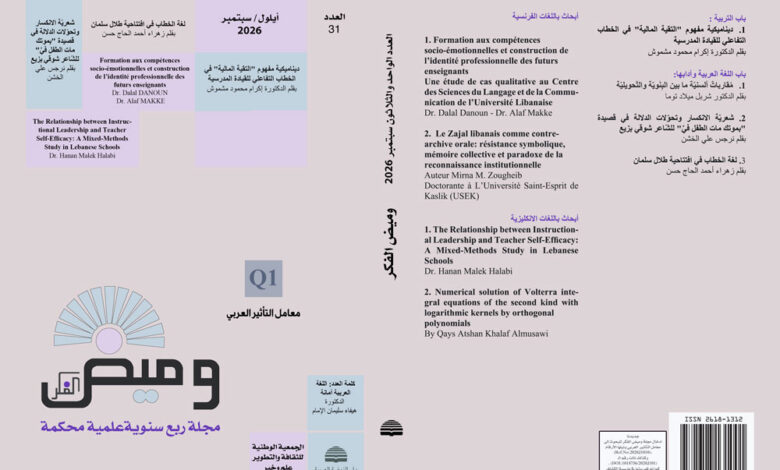
عنوان البحث: مُقارباتٌ ألسنيّة ما بين البِنَويّة والتّحويليّة
اسم الكاتب: شربل ميلاد توما
تاريخ النشر: 25/09/2026
اسم المجلة: مجلة وميض الفكر
عدد المجلة: 31
تحميل البحث بصيغة PDFمُقارباتٌ ألسنيّة ما بين البِنَويّة والتّحويليّة
Linguistic Approaches: Between Structuralism and Transformationalism
بقلم الدكتور: شربل ميلاد توما
أُستاذ مُحاضِرٌ برتبة أستاذ مُساعد في اللغة العربيَّة وآدابها بالجامعة اللبنانيَّة/كليّة الآداب/الفرع الثاني/ الفنار.
المُلخَّص
بينَ البِنَويَّة اللغويّة والتَّحويليَّة التَّوليديَّة، تنطلق مُشكِلَةُ البحث وفرضيَّاتُه في محاولةٍ لتفسير طبيعة اللغة الحقيقيَّة، بين نظام من العلامات يرتكز على العلاقات الدّاخليّة، أضِفُ إلى ذلك المَقدِرة الفطريّة في الذّهن الّتي تفسح المجالَ لإنتاج عدد لا نهائيّ من الجمل، وربَّما تُميِّز هذه الدّراسة الموجَزة التّباين في المنظور البنيويّ عن الوعي العقليّ للّغة.
أمّا المفاهيم الجوهريّة الّتي طرحها “دي سوسير”، ومن ذلك: تمييز اللغة عن الكلام والعلاقة بين الدّال والمدلول، فهي جديرة بالمقارنة بما قدّمه “تشومسكي” من مُصطلحات مهمّة في علم الألسنيّة، ومنها: الكفاءة، الأداء، النّحو التّحويليّ التّوليديّ، بيد أنّ النّموذجَين على قوّتهما، فيهما بعض الضّعف والقصور، ما يُثير نوعًا من الشّكِ في صلاحيَّة كلّ منهما في تفسير طبيعة اللغة في ضوء التّطوّرات المعاصرة.
إنطلَقَت مقاربة عناصر البحث وَفقَ المنهج الوصفيّ التّحليليّ المقارن؛ لتحليل النُّصوص النّظريّة، ومناقشة تطبيقاتها العمليَّة ونقد حدودها، وربطها بالهُويَّة الثَّقافيَّة والمعرفيَّة، في نوع من التَّكامُل بين “دي سوسير” و”تشومسكي”، فاللغة هي نظامٌ ٱجتماعيٌّ – عقليٌّ، في الوقت ذاته، ومن المهمّ توظيف بعض ما في تلك النّظريّات في المجالات التَّحليليّة، وتبيان علاقة اللغة بالفكر.
وما توصَّلَتْ إليه نتائجُ البحث أنَّ دراسةَ اللغة لا تُختزل في منظور واحد، ولا في نظريّة محدَّدة، فاللغة ظاهرة إنسانيّة مُركَّبة، تُبنى معانيها في العلاقات الدّاخليّة بين العلامات، وتتجدَّد بفضل المَقدرة العقليّة الفطريّة الّتي تسمح بالإبداع والتَّجديد، والجمع بين البِنَويّة عند “دي سوسير”، والعقليّة عند “تشومسكي”، هو ما يُتيح رؤيةً أكثر عُمْقًا لطبيعة اللغة.
الكلمات المفتاحيَّة: الألسنية البِنَوية، “دي سوسير”، “تشومسكي”، النَّحو التَّحويلي، اللّغة والفِكر.
Abstract
Between linguistic structuralism and transformational generative grammar, the research problem and its hypotheses arise in an attempt to explain the true nature of language—between a system of signs based on internal relations and the innate mental capacity that allows for the production of an infinite number of sentences. This brief study perhaps highlights the contrast between the structural perspective and the mental awareness of language.
The fundamental concepts introduced by Saussure—such as the distinction between language and speech, and the relationship between signifier and signified—are worthy of comparison with Chomsky’s important linguistic terms, including competence, performance, and transformational generative grammar. Yet, despite the strength of both models, each contains certain weaknesses and limitations, raising doubts about their adequacy in explaining the nature of language in light of contemporary developments.
The research approach was based on a comparative descriptive-analytical method: analyzing theoretical texts, discussing their practical applications, critiquing their boundaries, and linking them to cultural and cognitive identity. This creates a kind of integration between Saussure and Chomsky, as language is both a social and mental system. It is important to employ aspects of these theories in analytical fields and to clarify the relationship between language and thought.
The findings suggest that the study of language cannot be reduced to a single perspective or confined to one theory. Language is a complex human phenomenon: its meanings are constructed through internal relations among signs, and renewed through the innate mental capacity that enables creativity and innovation. Combining Saussure’s structuralism with Chomsky’s mentalism provides a deeper vision of the nature of language.
Keywords: Structural Linguistics, Saussure, Chomsky, Transformational Grammar, Language and Thought.