الجزية احتضان حضاري للآخر
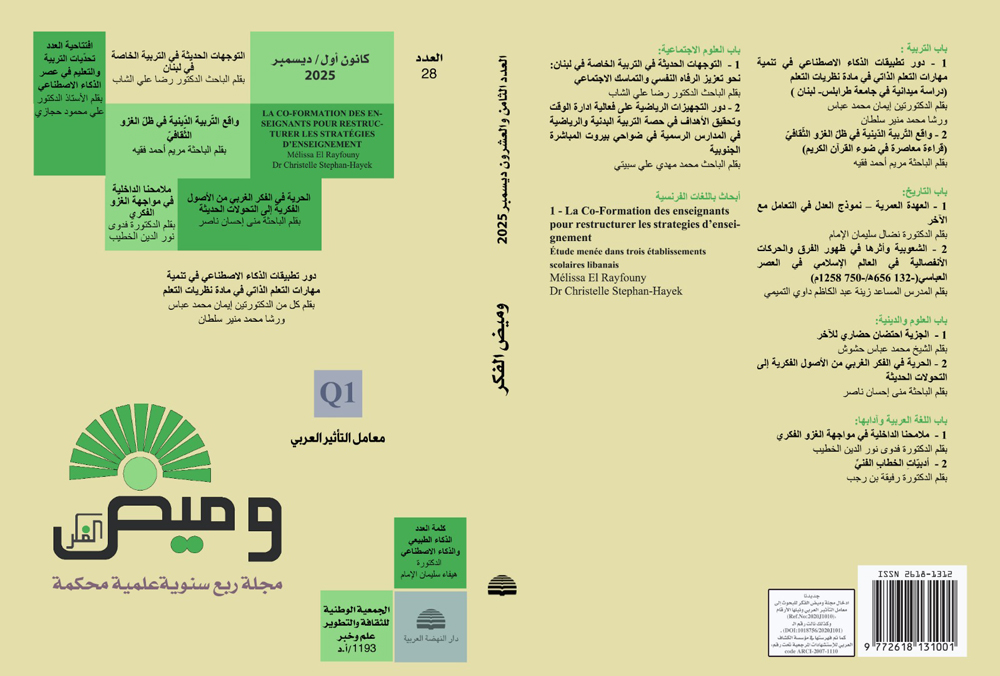
عنوان البحث: الجزية احتضان حضاري للآخر
اسم الكاتب: الشيخ محمد عباس حشوش
تاريخ النشر: 25/12/2025
اسم المجلة: مجلة وميض الفكر
عدد المجلة: 28
تحميل البحث بصيغة PDFhttps://doi.org/10.71438/2908
الجزية احتضان حضاري للآخر
The jizya is a cultural embrace of the other
بقلم: الشيخ محمد عباس حشوش
أستاذ في التعليم الثانوي ومنسق مادة اللغة العربية وآدابها ورئيس مركز الإمام الخميني الثقافي في مدينة النبطية_لبنان
“Written by: Sheikh Mohammad Abbas Hashoush,
High school teacher, Coordinator of Arabic Language and Literature, and Director of the Imam Khomeini Cultural Center in the city of Nabatieh, Lebanon.”
تلخيص بحث:
يُعد مبحث الجزية من أكثر الموضوعات الّتي تعرّضت لهجوم المستشرقين وتشويه المغرضين، مما يستدعي بيان حقيقتها ضمن منظومتها المتكاملة.
المفهوم والتّاريخ: الجزية في اللّغة هي العوض، وفي الاصطلاح الشّرعي: مبلغ مالي يفرض على الذمّيين (غير المسلمين) المقيمين في دولة الإسلام مقابل حمايتهم والدفاع عنهم. لم يكن الإسلام أوّل من فرضها، فقد عرفتها الأمم السّابقة كالفرس والرّومان، ولكن بصور قاسية ومذلّة.
مشروعيتها وحكمتها: شرّعت الجزية في الإسلام بنصّ القرآن الكريم في قوله تعالى: {قَاتِلُوا الَّذِينَ لَا يُؤْمِنُونَ بِاللَّهِ وَلَا بِالْيَوْمِ الْآخِرِ… حَتَّىٰ يُعْطُوا الْجِزْيَةَ عَن يَدٍ وَهُمْ صَاغِرُونَ} (التوبة: 29). والحكمة منها ليست إذلالاً للشّخص، بل هي إقرار بالخضوع السّياسي لنظام الدّولة وتمييز لهم عن المواطنين المسلمين الّذين يخضعون لنظام الزّكاة والجهاد. وهي عوض عن حمايتهم ودفاع الدّولة عنهم، وإعفائهم من الخدمة العسكرية.
الرّد على الشبهات:
- شبهة التّمييز الدّيني: الرد بأنّها ليست ضريبة دينيّة صرفه، بل هي بدل نقدي عن واجبين: الحماية والدّفاع العسكري. فالتّمييز قائم على الواجبات، فالمسلم يدفع الزّكاة ويقاتل، وغير المسلم يدفع الجزية ويعفى من القتال.
- شبهة الإذلال الشّخصي (تفسير “صاغرون”): الخطأ الشائع هو تفسير “صاغرون” بالإهانة والذّل. والصّحيح أنّ المعنى هو الخضوع السّياسي والانقياد لقوانين الدّولة الإسلامية، وليس إذلالاً للكرامة الإنسانية. وقد كان الخلفاء يردون الجزية إذا عجزوا عن حماية الذميين، دليلاً على أنها عقد حماية وليست إتاوة.
قيمة الجزية والغاية منها: كانت قيمتها الزّهيدة (دينار واحد سنوياً في الغالب) وهي دون قيمة الزكاة الواجبة على المسلمين ، ممّا ينفي ادّعاء الظّلم. والغاية الأساسية هي إقرار مبدأ “المواطنة” في الدولة الإسلامية على أسس واضحة، حيث يساهم كلّ فرد في تكاليف الدّولة حسب مركزه القانوني، مما يجسّد روحيّة التّسامح والعدالة في الحضارة الإسلامية.
الكلمات المفتاحية للبحث:
- الجزية في الإسلام-أهل الذمة-مشروعية الجزية-حكمة الجزية-„صاغرون”-شبهات -والتمييز الديني-ضريبة حماية-الزكاة-الخضوع السياسي-المستشرقون -النظام المالي في الإسلام-المواطنة في الدولة الإسلامية
Abstract
In the name of God, the Most Gracious, the Most Merciful
Summary of the Research: The Jizya System Between Misconceptions and Responses
The study of Jizya is among the most targeted subjects by Orientalists and critics, necessitating a clarification of its truth within its integrated system.
Concept and History: Linguistically, Jizya means compensation. In Islamic law, it is a financial amount imposed on Dhimmis (non-Muslim residents) in the Islamic state in return for their protection and defense. Islam did not pioneer it; previous nations like the Persians and Romans knew it, but in harsh and humiliating forms.
Legitimacy and Wisdom: Jizya was instituted in Islam by the Quranic verse: “Fight those who do not believe in Allah… until they give the Jizya willingly while they are humbled” [At-Tawbah: 29]. Its wisdom is not personal humiliation, but rather an acknowledgment of political submission to the state’s system, distinguishing them from Muslim citizens who are subject to Zakat and military duty (Jihad). It is compensation for their protection and defense by the state, exempting them from military service.
Responding to Misconceptions:
- Accusation of Religious Discrimination: The response is that it is not purely a religious tax, but a financial substitute for two duties: protection and military defense. The distinction is based on obligations: Muslims pay Zakat and fight, while non-Muslims pay Jizya and are exempted from fighting.
- Accusation of Personal Humiliation (Interpreting “Humbled”): The common error is interpreting “humbled” as insult and degradation. The correct meaning is political submission and compliance to the laws of the Islamic state, not humiliation of human dignity. Caliphs used to return the Jizya if they failed to protect Dhimmis, proving it was a contract of protection, not tribute.
Value and Purpose: Its nominal value (often one dinar per year) was much less than the Zakat paid by Muslims, refuting claims of injustice. The primary goal was to establish the principle of “citizenship” in the Islamic state on clear foundations, where each individual contributes to state expenses according to their legal status, embodying the spirit of tolerance and justice in Islamic civilization.
Keywords :Jizya in Islam-Concept of Jizya-Dhimmi (or Ahl al-Dhimmah)-Legitimacy of Jizya-Wisdom of Jizya-Explanation of the Jizya Verse-Interpretation of “Humbled” (Saghirun)-Misconceptions about Jizya-Responses to misconceptions about Jizya-Jizya and religious discrimination-Jizya as a protection tax-Jizya and Zakat-Political submission-Orientalists and Jizya-Financial system in Islam-Citizenship in the Islamic State.