الأوضاع الإقتصاديَّة، في عكّار، في عهد الإستقلال، 1943 م – 1952 م.
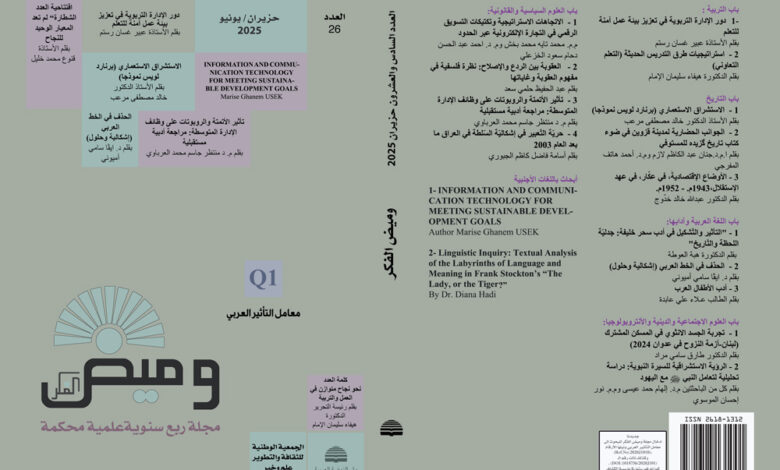
عنوان البحث: الأوضاع الإقتصاديَّة، في عكّار، في عهد الإستقلال، 1943 م - 1952 م.
اسم الكاتب: الدكتور عبدالله خالد خدّوج
تاريخ النشر: 25/06/2025
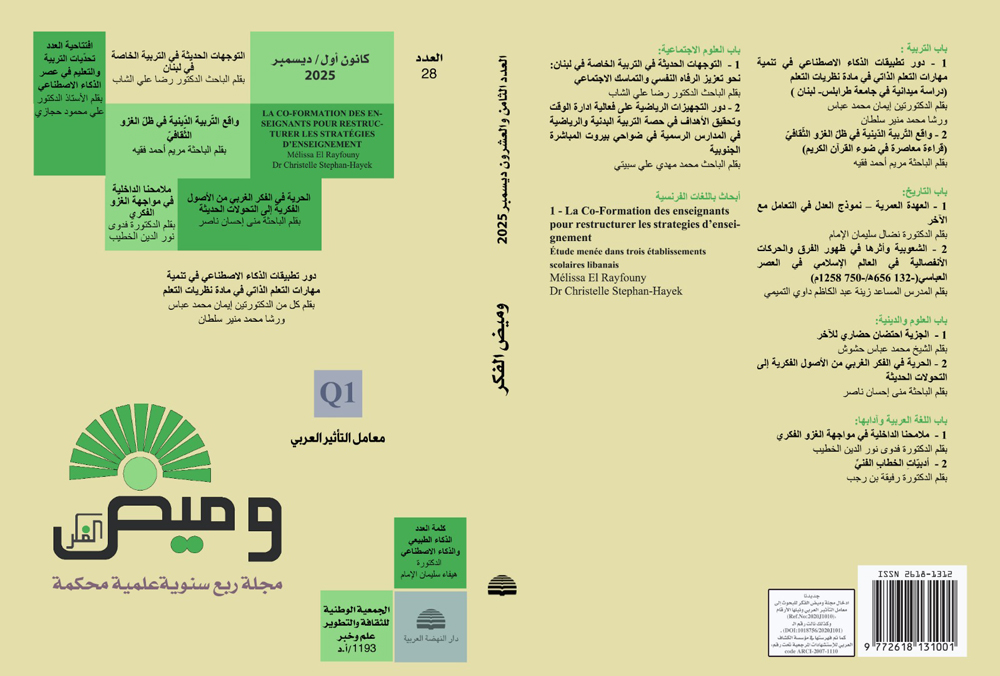
اسم المجلة: مجلة وميض الفكر
عدد المجلة: 26
تحميل البحث بصيغة PDFhttps://doi.org/10.71438/2657
الأوضاع الإقتصاديَّة، في عكّار، في عهد الإستقلال،
1943 م – 1952 م.
The Economic Conditions in Akkar During the Independence Era
(1943 – 1952)
بقلم الدكتور عبدالله خالد خدّوج
دكتو ا ره في التاريخ الحديث والمعاصر، خريج جامعة بيروت العربية
Prepared by: Dr. Abdullah Khaled Khaddouj
Ph.D. in Modern and Contemporary History, graduate of Beirut Arab
University.
Khaddoujabdallah@gmail.com
تاريخ الاستلام: 14 / 5 / 2025 تاريخ القبول: 26 / 5 / 2025 تاريخ النشر: 25 / 6/ 2025
 ملخص البحث:
سيتناول البحث أولًا: القضيّة الزراعيّة في عكّار، 1943م – 1952م، وسنكتب عن القضية الزراعية في عكّار والظّروف التي حالت، دون استخدام الفلّاح، لكلّ ما من شأنه تطوير الزّراعة ونتاجيّتها وعن الخبرة والآلات المستعملة، وأساليب الريّ، وأنواع البذور والتّخطيط، إلى ما هنالك من معطيات، ويجب ذكر الثروة الحيوانيّة لتشاببها مع الملكيّات العقاريّة، من حيث توزيعُها وطُرق استثمارها.
ثانيًا: الصناعة والمواصلات والتجارة في عكّار 1943م – 1952م، حيث أنه لم يكن من حدٍّ فاصلٍ، بين الأعمال الحرفيّة والزّراعة، فالفلّاح كان يعدّ بنفسه الآلات الزّراعيّة، من محراث وعدّة حيوانات الجر، والمذاري وغيرها، وبالمقابل فالحرفيّ، لم ينقطع عن الزّراعة التي كانت تؤمّن له وسائل المعيشة. أما المواصلات فكانت الدّواب، كالحمار والحصان والبغل والجمل، الوسيلة الوحيدة، التي استعملها العكّاريون، في مواصلاتهم، بين قريةٍ وأخرى، ضمن القضاء، أوبين قراهم، ومدينة طرابلس على السّاحل، ومدينة حمص في الدّاخل. وفي التجارة، فإنه ليس من قريّةٍ في عكّار، استطاعت أن تعيش، حصرًا، ضمن إقتصاد مغلق، دون أن تقدّم شيئًا للخارج، أو أن تأخذ منه أيّ شيءٍ، لذلك نشأ التّبادل التّجاريّ.
كلمات المفاتيح:
زراعة، صناعة، تجارة، مواصلات، شراكة، إيجار، آلات.
Research Abstract:
This research will first address the agricultural issue in Akkar from 1943 to 1952.
It will discuss the agricultural situation in Akkar and the conditions that prevented farmers from utilizing all means that could have improved agriculture and increased productivity—such as experience, the tools and machines used, irrigation methods, types of seeds, and planning techniques.
It will also cover related topics, and the livestock sector will be discussed due to its overlap with land ownership in terms of distribution and investment methods.
Secondly, the study will explore industry, transportation, and trade in Akkar during the same period (1943–1952).
There was no clear boundary between craftsmanship and agriculture in Akkar.
The farmer would prepare his own agricultural tools—such as the plow, draft animals, and threshers— while the craftsman also engaged in farming, which supported his livelihood.
Transportation relied entirely on animals like donkeys, horses, mules, and camels, which were the only means people in Akkar used to travel between villages within the district, or to the coastal city of Tripoli and the inland city of Homs.
As for trade, no village in Akkar could sustain itself through a closed economy without offering something to or receiving something from the outside.
Thus, commercial exchange naturally developed.
Keywords: agriculture, industry, trade, transportation, partnership, lease, machinery.