شعريّة الانكسار وتحوّلات الدلالة في قصيدة “بموتك مات الطفل فيَّ” للشّاعر شوقي بزيع
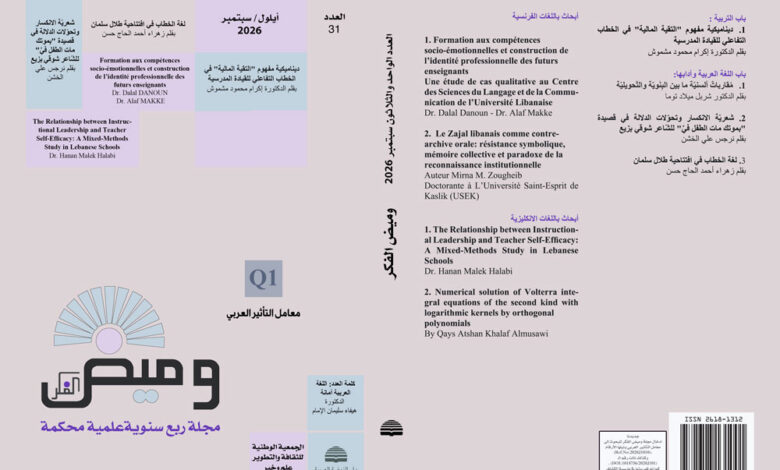
عنوان البحث: شعريّة الانكسار وتحوّلات الدلالة في قصيدة "بموتك مات الطفل فيَّ" للشّاعر شوقي بزيع
اسم الكاتب: نرجس علي الخشن
تاريخ النشر: 25/09/2026
اسم المجلة: مجلة وميض الفكر
عدد المجلة: 31
تحميل البحث بصيغة PDFشعريّة الانكسار وتحوّلات الدلالة في قصيدة “بموتك مات الطفل فيَّ” للشّاعر شوقي بزيع
The Poetics of Fracture and Shifts in Meaning in the Poem “With Your Death, the Child Within Me Died” by Poet Chawki Bzeih
بقلم : نرجس علي الخشن
طالبة دكتوراه في الجامعة الإسلاميّة في لبنان
مستخلص البحث:
تتناولُ هذه الدراسةُ شعريّةَ الانكسارِ وتحوّلاتِ الدّلالةِ في قصيدةِ شوقي بزيع “بموتِك ماتَ الطفلُ فِيَّ” وهي مرثيةٌ كتبَها الشاعرُ لوالدِه، لكنَّها تجاوزت حدودَ التّجربةِ الفرديةِ لتصبحَ خطابًا إنسانيًّا شاملًا عن الفقدِ والغيابِ. من خلال تحليلٍ أسلوبيٍّ وسيميائي، تبحثُ الورقةُ في كيفيةِ تَجلّي الانكسار عبرَ المستوى الإيقاعيّ والمُعجميّ والبلاغيّ، وكيف تحوّلت الطفولةُ من مفهومٍ زمنيٍّ بيولوجيٍّ إلى كائنٍ وجدانيٍّ مرتبطٍ بحضورِ الأبِ. وتؤكّدُ الدراسةُ أن شوقي بزيع وظّفَ التكرارَ، ورمزيّةَ الأصواتِ، والصّورَ البلاغيةَ ليحوّلَ النّصَّ من بُكائيةٍ شخصيةٍ إلى خطابٍ وجوديٍّ يشاركُ فيه المتلقي تجربةَ الألمِ. وبالاعتمادِ على المنهجِ البُنيوي الأسلوبيّ والمنهجِ السيميائيّ النّفسي، تكشفُ الدراسةُ عن ديناميكيةِ العلاقةِ بين الفقدِ الفرديِّ والدّلالةِ الكَونيةِ، لتضيفَ إلى النَّقدِ العربيِّ المعاصرِ قراءةً جديدةً للرثاءِ الحديثِ بوصفِه تأمُّلًا فلسفيًا في الموتِ والهُويّةِ والانكسارِ الوُجوديِّ.
كلماتٌ مفتاحيّةٌ: الرّثاء – شوقي بزيع – الطفولة – فقد الأب – الشعرُ العربيُّ المعاصرُ – الجمالُ الأسلوبيُّ – التحوُّلاتُ الدَّلاليةُ.
Abstract:
This study deals with the poetry of brokenness and the transformations of significance in Shawki Bazi’s poem “By Your Death, the Child Died in Me”, which is an elegy written by the poet for his father, but it transcends the boundaries of individual experience to become a comprehensive human discourse about loss and absence. Through a stylistic and semiotic analysis, the paper examines how brokenness manifests itself across the rhythmic, lexical, and rhetorical levels, and how childhood has transformed from a biological temporal concept to an emotional being associated with the presence of the father. The study confirms that Shawky Bazia employed repetition, the symbolism of sounds, and rhetorical images to transform the text from a personal cry into an existential discourse in which the recipient shares the experience of pain. Relying on the stylistic structuralist and psychosemiotic approaches, the study reveals the dynamics of the relationship between individual loss and cosmic significance, adding to contemporary Arab criticism a new reading of modern lamentation as a philosophical reflection on death, identity, and existential breakdown.
Keywords: Lamentation – Shawky Bazie – Childhood – Loss of Father – Contemporary Arabic Poetry – Stylistic Beauty – Semantic Transformations.