الثروة الزراعية والمحاصيل في البقاع في أواخر العهد العثماني
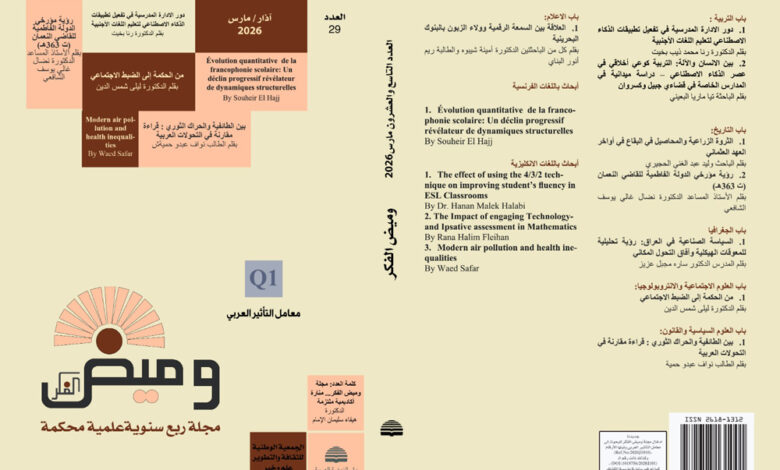
عنوان البحث: الثروة الزراعية والمحاصيل في البقاع في أواخر العهد العثماني
اسم الكاتب: الباحث وليد عبد الغني الحجيري
تاريخ النشر: 25/03/2026
اسم المجلة: مجلة وميض الفكر
عدد المجلة: 29
تحميل البحث بصيغة PDFالثروة الزراعية والمحاصيل في البقاع في أواخر العهد العثماني
بقلم الباحث: وليد عبد الغني الحجيري
من صفحة 88-104
ملخص(عربي):
في أواخر العهد العثماني، شكّلت الزراعة الركيزة الأساسية للاقتصاد في البقاع، مع اعتماد نظام التزام الأراضي الزراعية الذي نظّم العلاقة بين الدولة والملتزمين والفلاحين عبر عقود واضحة. لذلك، التزمت الدولة بالرزنامة الزراعية لتنظيم مواسم الزرع والحصاد، ولا سيّما محاصيل الحبوب مثل القمح والشعير، إضافةً إلى البقول والدبس والقطن في بعض المناطق. ولعب توزيع المياه دورًا محوريًا من خلال الأنهار والينابيع وشبكات الري التقليدية، بما يضمن استمرارية الإنتاج. كما تميّز البقاع بثروة حيوانية متنوّعة من الأبقار والأغنام والماعز، كانت مصدرًا للحوم والألبان والصوف. واتّسمت أسعار المحاصيل والمواشي بنوع من الاستقرار النسبي، خاضعًا لآليات السوق والرقابة العثمانية على المكاييل والأوزان.
Abstract:
In the late Ottoman period, agriculture formed the cornerstone of the Beqaa Valley’s economy, with the adoption of the agricultural land tax farming system, which regulated the relationship between the state, tax farmers, and peasants through clear contracts. The state adhered to the agricultural calendar to regulate planting and harvesting seasons, particularly for cereal crops such as wheat and barley, as well as legumes, molasses, and cotton in some areas. Water distribution played a pivotal role, through rivers, springs, and traditional irrigation networks, to ensure the continuity of production. The Beqaa Valley was also distinguished by its diverse livestock, including cattle, sheep, and goats, which were a source of meat, milk, and wool. Prices for crops and livestock were relatively stable, subject to market mechanisms and Ottoman oversight of weights and measures.
Keywords: Lebanese Bekaa, Abdul Hamid II, agriculture, crops, land ownership, agricultural calendar, water distribution