العهدة العمرية – نموذج العدل في التعامل مع الآخر
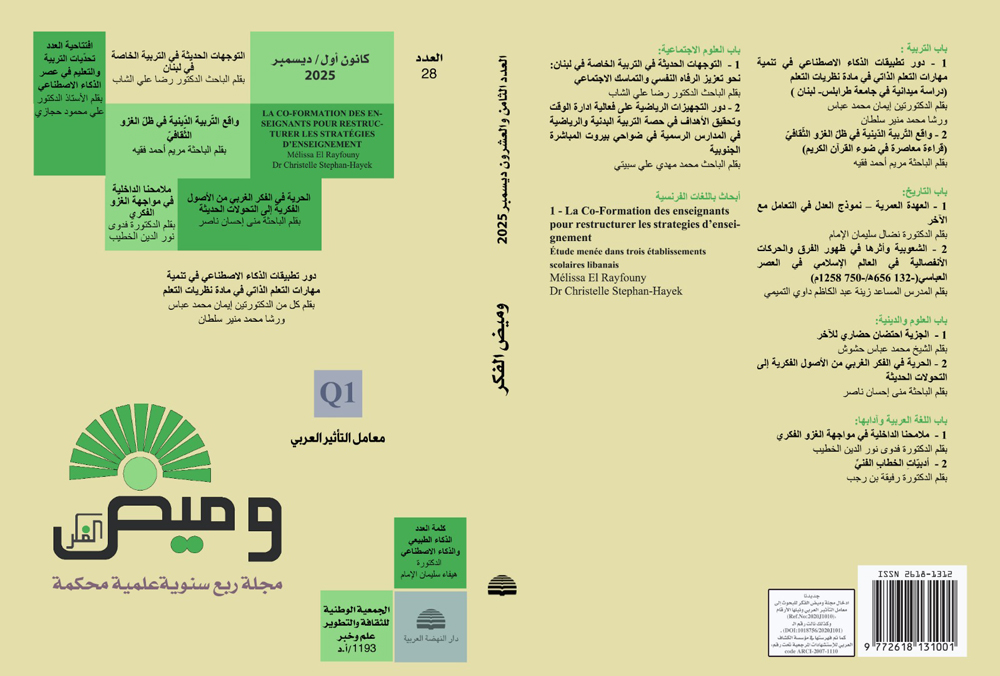
عنوان البحث: العهدة العمرية – نموذج العدل في التعامل مع الآخر
اسم الكاتب: الدكتورة نضال سليمان الإمام
تاريخ النشر: 25/12/2025
اسم المجلة: مجلة وميض الفكر
عدد المجلة: 28
تحميل البحث بصيغة PDFhttps://doi.org/10.71438/2893
العهدة العمرية – نموذج العدل في التعامل مع الآخر
The Umari Covenant – A Model of Justice in Dealing with the Other
بقلم الدكتورة نضال سليمان الإمام
أستاذ مشارك في الجامعة اللبنانية الدولية (LIU) / لبنان
Dr. Nidal Suleiman Al-Imam
Associate Professor at the Lebanese International University (LIU) / Lebanon
ملخص البحث
يتناول هذا البحث وثيقة العهدة العمرية، التي أبرمها الخليفة عمر بن الخطاب – رضي الله عنه – مع أهل القدس عند فتحها عام 15 هـ / 636 م، باعتبارها نموذجًا فريدًا للعدل في معاملة غير المسلمين. وتعكس هذه الوثيقة أرقى معاني التسامح الإسلامي، خاصةً عندما يكون التسامح صادرًا عن الأقوياء المنتصرين تجاه المحاصرين المستسلمين، كما تجسد بنودها.
تبرز الوثيقة القيم الإسلامية التي تقوم على التسامح، وحفظ الحقوق، وتطبيق العدل بين الناس، انسجامًا مع قول الله تعالى: ” إِنَّ ٱللَّهَ يَأۡمُرُ بِٱلۡعَدۡلِ وَٱلۡإِحۡسَٰنِ وَإِيتَآيِٕ ذِي ٱلۡقُرۡبَىٰ وَيَنۡهَىٰ عَنِ ٱلۡفَحۡشَآءِ وَٱلۡمُنكَرِ وَٱلۡبَغۡيِۚ يَعِظُكُمۡ لَعَلَّكُمۡ تَذَكَّرُونَ“. ويتجلى التطبيق العملي لهذا العدل في موقف عمر بن الخطاب عندما اشتكى له الرجل القبطي من اعتداء ابن عمرو بن العاص، فأمر الخليفة بإنصافه، وأعاد إليه حقه، بل وبّخ والي مصر قائلًا عبارته الشهيرة: “متى استعبدتم الناس وقد ولدتهم أمهاتهم أحرارًا؟“.
تتجلى أهمية البحث في تسليط الضوء على القيم الإنسانية والحقوقية التي كفلتها العهدة العمرية، باعتبارها مرجعًا تاريخيًا في إدارة التنوع الديني والثقافي، ونموذجًا يُحتذى به في تحقيق العدالة والتعايش السلمي.
Research Summary
This research examines the Umareyya Covenant, concluded by Caliph Umar ibn al-Khattab (may God be pleased with him) with the people of Jerusalem upon its conquest in 15 AH/636 AD. It is considered a unique model of justice in the treatment of non-Muslims. This document reflects the highest meanings of Islamic tolerance, especially when it is extended by victorious powers toward surrendering besieged people, as its provisions embody.
The document highlights Islamic values based on tolerance, the preservation of rights, and the application of justice among people, in harmony with the words of God Almighty: Indeed, Allāh orders justice and good conduct and giving [help] to relatives and forbids immorality and bad conduct and oppression. He admonishes you that perhaps you will be reminded (he practical application of this justice is evident in the stance of Umar ibn al-Khattab when a Coptic man complained to him about the aggression of Ibn Amr ibn al-As. The Caliph ordered justice and restored his rights. He even rebuked the governor of Egypt, saying his famous phrase: “Since when did you enslave people when their mothers gave birth to them free?” The importance of this research lies in shedding light on the human and legal values guaranteed by the Umareyya Covenant, as it serves as a historical reference for managing religious and cultural diversity and a model to be emulated for achieving justice and peaceful coexistence.