المثل الشعبيّ في الخطاب السياسيّ اللبنانيّ (خصائصه الفنّية ودلالاته الاجتماعيّة) الرّئيس نبيه برّي أنموذجًا
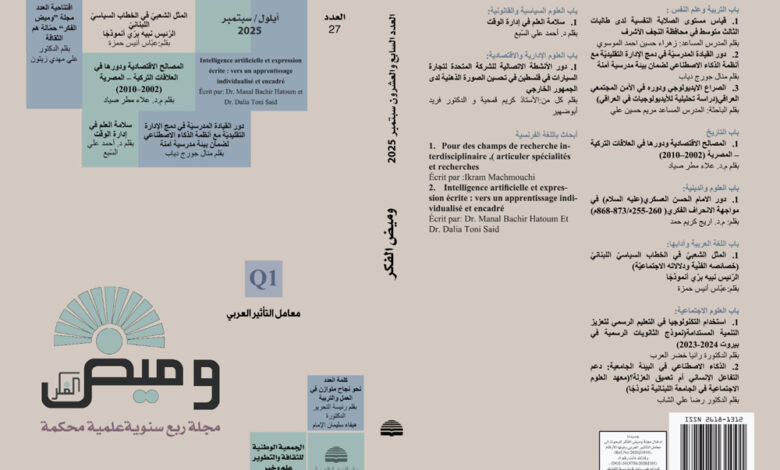
عنوان البحث: المثل الشعبيّ في الخطاب السياسيّ اللبنانيّ (خصائصه الفنّية ودلالاته الاجتماعيّة) الرّئيس نبيه برّي أنموذجًا
اسم الكاتب: عبّاس أنيس حمزة
تاريخ النشر: 25/09/2025
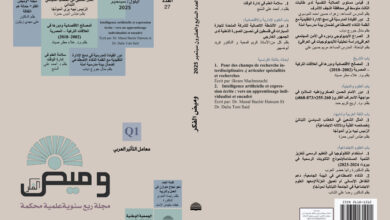
اسم المجلة: مجلة وميض الفكر
عدد المجلة: 27
تحميل البحث بصيغة PDFhttps://doi.org/10.71438/2806
المثل الشعبيّ في الخطاب السياسيّ اللبنانيّ (خصائصه الفنّية ودلالاته الاجتماعيّة)
الرّئيس نبيه برّي أنموذجًا
The Popular Proverb in Lebanese Political Discourse Its Technical
Characteristics and Social Significance
President Nabih Berri as a model
بقلم:عبّاس أنيس حمزة
طالب دكتوراه في اللّغة العربيّة وآدابها، كلّيّة الآداب والعلوم الإنسانيّة / الجامعة الإسلاميّة في لبنان
Abbas Anis Hamza
PhD student in Arabic Language and Literature، Faculty of Arts and Humanities
Islamic University in Lebanon
info@ahglobalinvest.com
 ملخّص البحث
يستكشف هذا البحث توظيف الأمثال الشعبيّة كأداة إقناعيّة محوريّة في الخطاب السياسيّ اللبنانيّ، مع التركيز على خطابات الرّئيس نبيه برّي. يُعدّ الخطاب السياسيّ حقلًا معقّدًا يجمع بين علم الّلغة والسياسة وعلم الاجتماع، وتبرز فيه الأمثال الشعبيّة بقدرتها على ترسيخ المفاهيم السياسيّة وتأثيرها العميق في الوجدان الجمعيّ، بوصفها “عصارة تجارب الأجيال”.
يحلّل البحث الخصائص الفنيّة والدلالات الاجتماعيّة للأمثال الشعبيّة، وكيف تساهم جماليّتها في ترسيخ المفاهيم السياسيّة، ودورها في إنتاج “أفعال الكلام”. كما يُظهر كيف يوظّف الرئيس برّي المحسنات اللفظيّة كالتكرار، السجع، والجناس لبناء إيقاع مؤثّر يعمّق المعاني ويجعل الرسالة السياسيّة أكثر رسوخًا. ويكشف التحليل البراغماتيّ للأمثال عن قدرة المثل على توليد أفعال كلاميّة كالإقناع، المصارحة، التوجيه، وحتى الصمت، كاشفًا عن مقاصد الخطيب الضمنيّة وتأثيره في تغيير سلوك المتلقّين.
يُظهر البحث أن برّي حوّل الأمثال من مجرّد تراث شفاهيّ إلى أدوات سياسيّة فاعلة، مستثمرًا خصائصها لترسيخ الرؤى السياسيّة، نقد الخصوم، وتشكيل زعامته كـ “حكيم شعبيّ”، ممّا يعكس بلاغة تهدف إلى تحقيق المصلحة الوطنيّة عبر التأثير الّلغوي العميق.
الكلمات المفتاحيّة: خطاب، المثل الشعبيّ، سياق، براغماتيّة، سياسيّ، أفعال الكلام، دلالة، لغة.
Abstruct
This research explores the use of proverbs as a pivotal persuasive tool in Lebanese political discourse, with a focus on the speeches of President Nabih Berri. Political discourse is a complex field that combines linguistics, politics, and sociology, in which proverbs stand out for their ability to solidify political concepts and their deep impact on the collective consciousness, as “the distillation of generational experiences.” The research analyzes the technical characteristics and social connotations of proverbs, and how they are used as a pivotal persuasive tool in Lebanese political discourse.
The research analyzes the artistic characteristics and social connotations of proverbs, how their aesthetics contribute to the consolidation of political concepts, and their role in the production of “speech acts.” It also shows how President Berri employs verbal devices such as repetition, rhyme, and alliteration to build an effective rhythm that deepens meanings and makes the political message more durable. The pragmatic analysis of proverbs reveals the proverb’s ability to generate speech acts such as persuasion, honesty, guidance, and even silence, revealing the orator’s implicit intentions and his influence in changing the behavior of the recipients.
The research shows that Berri transformed proverbs from a mere oral tradition into effective political tools, utilizing their characteristics to consolidate political visions, criticize opponents, and shape his leadership as a “popular sage,” reflecting a rhetoric aimed at achieving the national interest through deep linguistic influence.
Keywords: discourse, popular proverb, context, pragmatics, politician, speech acts, semantics, language.