الرؤية الاستشراقية للسيرة النبوية : دراسة تحليلية لتعامل النبي صلى الله عليه وسلم مع اليهود
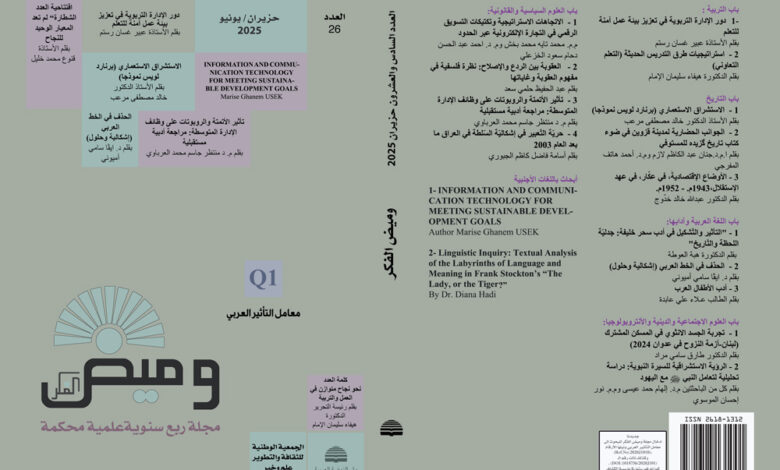
عنوان البحث: الرؤية الاستشراقية للسيرة النبوية : دراسة تحليلية لتعامل النبي صلى الله عليه وسلم مع اليهود
اسم الكاتب: د. إلهام حمد عيسى، و م.م. نور إحسان الموسوي
تاريخ النشر: 25/06/2025
اسم المجلة: مجلة وميض الفكر
عدد المجلة: 26
تحميل البحث بصيغة PDFhttps://doi.org/10.71438/2683
الرؤية الاستشراقية للسيرة النبوية : دراسة تحليلية لتعامل النبي صلى الله عليه وسلم مع اليهود
“The Orientalist Perspective on the Prophetic Biography: An Dealings Analytical Study of the Prophet Muhammad’s with the Jews.”
بقلم كل من الباحثتين:
د. إلهام حمد عيسى
Assistant Lecturer Noor Ihsan Al-MousaAssistant
professor ilham hamad issa
و م.م. نور إحسان الموسوي
جامعة الكوفة / مركز دراسات الكوفة .
University of Kufa / Kufa Studies Center
noore.almosawy@uokufa.edu.iqil hamh.
alqabchee@ uokufa.edu.iq
تاريخ الاستلام 30 / 3/ 2025 تاريخ القبول: 12 / 5/ 2025 تاريخ النشر: 25 / 6/ 2025
الملخص
 ظهرت كثير من الدراسات الاستشراقية المهمة التي سلطت الضوء على السيرة النبوية، ورغم أن بعضها لا تتوافق مع الفكر الإسلامي وغريبة عن مسلمات العقيدة وخارجة عن فتقارها الى الموقف الموضوعي، بداهاته وإ أعتمدت علمية دراسات كانت إنها إلا على المصادر الإسلامية الأصلية وناقشت سيرة تاريخ يعالج علمي بمنهج روايتها رسول الله صلى الله عليه وسلم ورحلة جهاده في سبيل نشر الدعوة الإسلامية.
لقد حظيت سيرة النبي محمد صلى الله عليه وسلم باهتمام واسع في كتابات المستشرقين، وقد تنوعت دوافع هذا الاهتمام، فمنها ما انطلق من مواقف عدائية متأثرة بإرث الصراع الديني بين العالمين الإسلامي والمسيحي، ومنها ما كان بدافع علمي ورغبة في فهم المبادئ الأساسية للإسلام، باعتباره دينًا ذا تأثير بالغ في تشكيل القيم الأخلاقية لدى الشعوب، وكونه من أكثر الأديان انتشارًا في العالم. وقد نظر بعض المستشرقين إلى النبي صلى الله عليه وسلم بوصفه قائداً لحركة اجتماعية كبرى استطاع من خلالها توحيد العرب، مؤسسًا بذلك لحضارة إسلامية عالمية ما زالت آثارها ماثلة وفاعلة حتى يومنا هذا.
الكلمات المفتاحية: الاستشراق، اليهود، الرؤية النقدية للمستشرقين، المقارنة.
 Summary:
Many significant Orientalist studies have emerged that shed light on the Prophetic biography. Although some of these studies do not align with Islamic thought, often diverging from the core tenets of faith and lacking in objectivity, they nevertheless constitute scholarly efforts that relied on original Islamic sources and engaged with the narratives of the Prophet’s life through a critical and academic methodology.
These works sought to explore the historical dimensions of the Prophet life and his enduring Muhammad’s struggle to spread the Islamic message.
The biography of the Prophet has attracted Muhammad considerable attention in Orientalist writings. The motivations behind this interest have varied: some were driven by antagonistic views shaped by the legacy of religious conflict between the Islamic and Christian worlds, while others stemmed from a genuine academic desire to understand the fundamental principles of Islam — a religion that has had a profound impact on shaping the moral and ethical values of nations and remains among the most widespread faiths in the world. Some Orientalists viewed the as the leader of a major Prophet social movement through which he succeeded in uniting the Arabs, thereby laying the foundation for a global Islamic civilization whose influence endures to this day.
Keywords: Orientalism, Jews, critical vision, comparison.