ريادة الإشراف التربوي في لبنان استراتيجيات مبتكرة لتعزيز التعلّم والتطوير المستدام
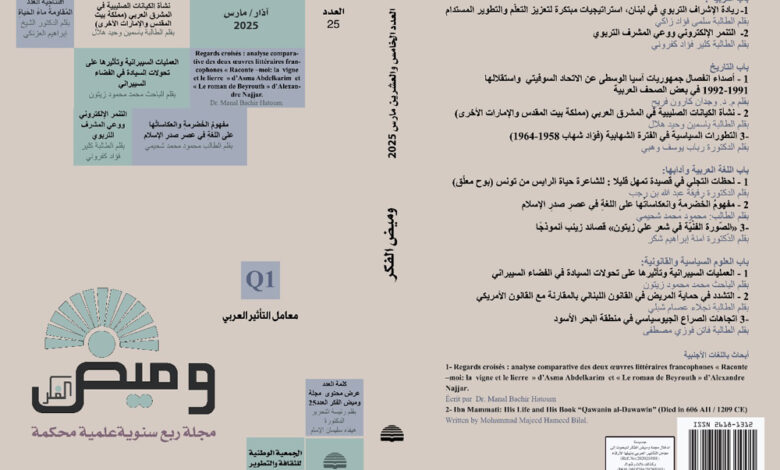
عنوان البحث: ريادة الإشراف التربوي في لبنان استراتيجيات مبتكرة لتعزيز التعلّم والتطوير المستدام
اسم الكاتب: سلمى فؤاد زاكي
تاريخ النشر: 25/03/2025
اسم المجلة: مجلة وميض الفكر
عدد المجلة: 25
تحميل البحث بصيغة PDFhttps://doi.org/10.71438/2498

ريادة الإشراف التربوي في لبنان استراتيجيات مبتكرة لتعزيز التعلّم والتطوير المستدام
Leadership in Educational Supervision in Lebanon: Innovative Strategies to Enhance Learning and Sustainable Development
بقلم الطالبة: سلمى فؤاد زاكي
طالبة ماستر إشراف تربوي سنة ثانية في الجامعة اللبنانية/ كلية التربية /فرع العمادة
أستاذة متعاقدة في التعليم المهني والتقني(معهد راشيا الفني)
Salma Fouad Zaki
A second-year Master’s student in Educational Supervision at the Lebanese University, Faculty of Education, Branch of Deanship. A contracted teacher in vocational and technical education (Rashaya Technical Institute).
salma.z.edu@outlook.com
تاريخ الاستلام:17/ 1/ 2025 تاريخ القبول:3/ 2/ 202 تاريخ النشر:25/ 3 /2025
ملخّص البحث
يتناول هذا البحث إستراتيجيات مبتكرة في الإشراف التربوي في لبنان، مع التركيز على تعزيز التعلّم والتطوير المستدام. في ظل التحديات التي تواجه النظام التعليمي في لبنان منذ عام ٢٠١٩، يبرز الإشراف التربوي كركيزة أساسية لتحسين الأداء الأكاديمي وتطوير مهارات المعلمين. يهدف البحث إلى تحليل نظام الإشراف التربوي الحالي في المدارس الخاصة بمنطقة جبل لبنان، من خلال تحديد التحديات والفرص، واستكشاف دور التكنولوجيا والتنوع الثقافي في تحسين هذا النظام. باستخدام المنهج الوصفي التحليلي، يُقيّم البحث تأثير التطوير المهني، وتكامل التكنولوجيا، وأطر التعاون على الإشراف التربوي. تؤكد النتائج على أهمية تحديث استراتيجيات الإشراف لضمان ممارسات تعليمية فعّالة ومستدامة.
الكلمات المفتاحية: الإشراف التربوي، تطوير المعلمين، التعليم المستدام، استراتيجيات مبتكرة، التكنولوجيا في التعليم.
Abstract
This study explores the innovative strategies in educational supervision in Lebanon, focusing on enhancing learning and sustainable development. Amid the challenges faced by Lebanon’s education system since 2019, effective educational supervision emerges as a cornerstone for improving academic performance and developing teacher skills. The research analyzes the current supervision system in private schools of Mount Lebanon, identifying challenges, opportunities, and the potential role of technology and cultural diversity in advancing the system. Using descriptive and analytical methods, the study evaluates the impact of professional development, technological integration, and collaborative frameworks on educational supervision. The findings emphasize the necessity of modernized supervision strategies to foster effective teaching and sustainable educational practices.
Keywords: Educational Supervision, Teacher Development, Sustainable Education, Innovative Strategies, Technology in Education